 FOR ENTERPRISESWorkforce MobilityRelocation support for employees and their families, managed end to end.FIDI-FAIM PLUS · 55+ YEARS · 180+ COUNTRIESFOR FAMILIES AND INDIVIDUALSLocal MovingSame-city home moves, surveyed and packed by one crew.FIDI-FAIM PLUS · 55+ YEARS · 180+ COUNTRIESFOR GLOBAL PARTNERSOrigin ServicesPacking, export documentation and dispatch from India.FIDI-FAIM PLUS · 55+ YEARS · 180+ COUNTRIESRESOURCESBlogs & GuidesPractical advice for planning a move.FIDI-FAIM PLUS · 55+ YEARS · 180+ COUNTRIESABOUT GLOBE MOVINGAbout Globe MovingWho we are and how we work.FIDI-FAIM PLUS · 55+ YEARS · 180+ COUNTRIES
 GUIDES AND TOOLSEverything you need to plan a move.WHO WE AREOne partner. Every move.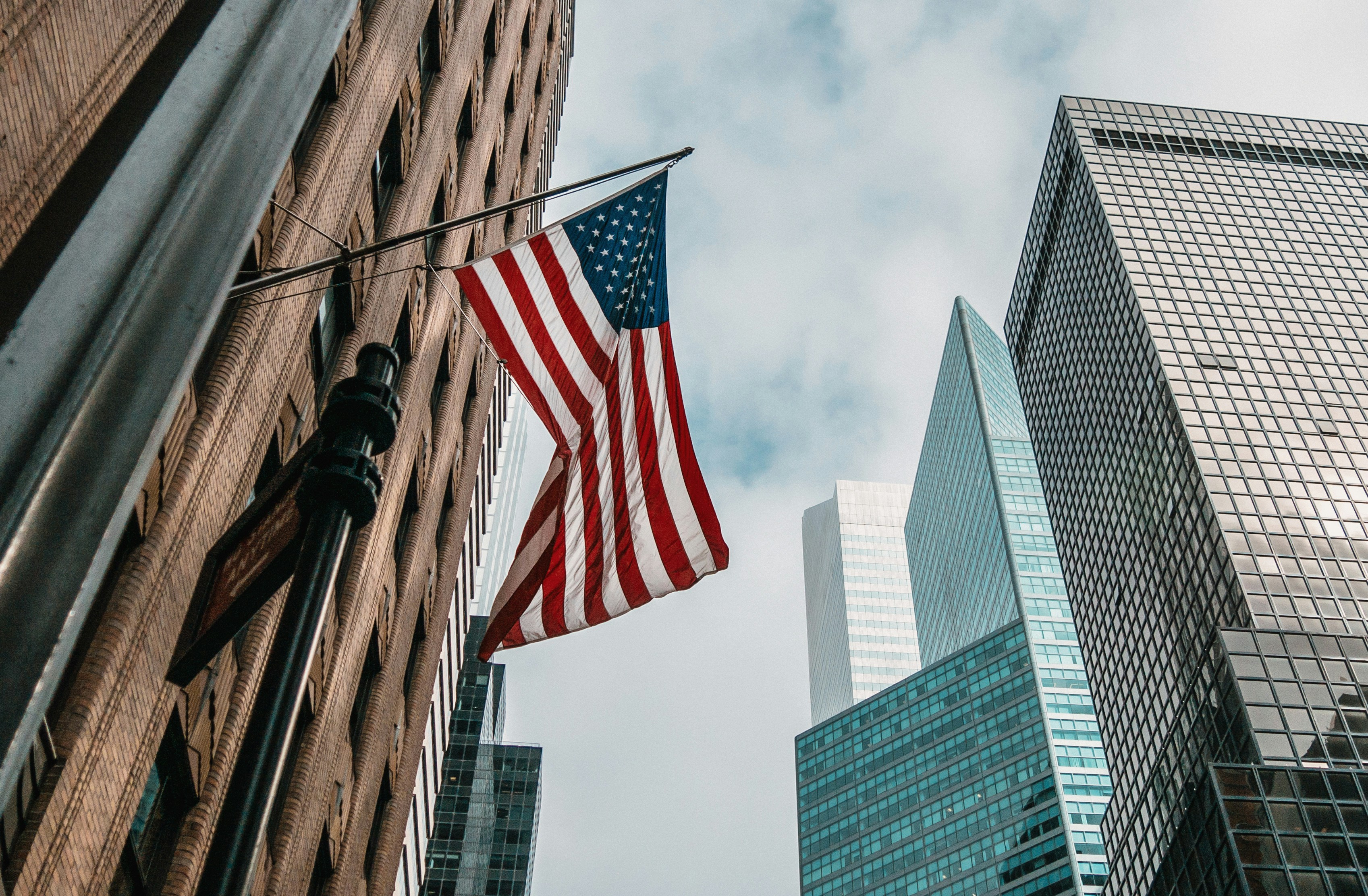
Moving from India to the United States: What Life Really Looks Like After the Visa
Your US visa is approved and you’re excited about your move. Yes, it’s a great milestone to celebrate. After months of paperwork, interviews, uncertainty, and waiting, finally the stamp is there and legalities are done. Suddenly, it’s time to move. You’re packing bags, booking tickets, and imagining a new life in the United States.
While all of this is remarkable, what many do not tell you is this: your visa is only a permission slip. The real journey begins after you land.
Moving from India to the US is not just a geographic shift or a change in weather. It’s a psychological, cultural, professional, financial, and emotional recalibration. It’s a complete reintegration of your daily routines, your relationships, your sense of independence, and even how you define stability.
The First Shift No One Warns You About: Emotional Independence
As a new immigrant, one of the first changes you feel is emotional. Once you land, you suddenly realize life has become quieter but heavier.
In India, family and community support is strong. Even independence often exists within a web of support. Help is accessible, and there’s always a neighbour, friend or relative to fall back on. In the US, this supportive web is replaced by self-reliance.
As you ease into your routine in the US, you start handling everything yourself. You’ll be setting up utilities, understanding leases, managing appointments, cooking daily meals, and navigating unfamiliar systems. In the excitement of the shift, this independence can feel empowering at first. But loneliness catches up quickly, especially in moments when you don’t have family to turn to.
Homesickness sneaks in during festivals, when you’re sick, or when a small inconvenience feels terribly exhausting. This emotional adjustment is normal, and it takes time to adapt. Acknowledging it and consciously building new routines and connections is helpful.
Work Life in the U.S.
Adjusting to a new work culture is often one of the biggest adjustments for professionals. It is not necessarily harder, but it is different. The American workplace values clarity and clear boundaries. Communication is direct, expectations are defined, and feedback, whether positive or critical, is usually explicit. This can feel abrupt and blunt, if you’re used to more layered, diplomatic communication styles.
Time is of great essence and value in the US workplace. Meetings start on time. Deadlines are non-negotiable. And personal accountability is expected regardless of role or seniority.
On the other hand, many are surprised by the emphasis on personal space and boundaries. Colleagues may be friendly, but professional and personal lives are kept separate. Exceptional performance is expected, but you are also expected to manage your own balance.
It is common to take this as a challenge and aim to grow in this environment. There is less micromanagement, more ownership, and often a stronger link between effort and recognition. But adjusting to the pace and independence requires mental flexibility and resilience.
The Cost of Living Reality Check
Converting US salaries into Indian rupees is reassuring before you move. But after you arrive reality sets in. Not only is the cost of living higher in the US, but it is also structured differently. Expenses that felt optional in India become fixed necessities, and they are not small numbers.
Rent is often the largest shock, especially in major cities like New York and San Francisco. Housing costs take up a large percentage of your income, especially in the first year when you have just arrived and your choices may be limited. Groceries, utilities, internet, transportation, and insurance all add up rather quickly.
Underestimating upfront payments required in the beginning, across areas, takes a chunk out of your paycheck. For example, there are security deposits, advance rent, car purchases or leases, and insurance premiums often hit simultaneously.
It’s always advisable to be financially prepared beyond the first paycheck. Having a buffer will ensure stability in the beginning.
Healthcare: Excellent Yet Complicated
Healthcare in the US is a heavily misunderstood aspect of relocation. The quality of care is excellent, but the system is complex and expensive without proper insurance.
In India, you can walk into a hospital and pay directly. In the US, the system revolves around insurance networks, deductibles, and coverage limits. Walking into an emergency room without insurance will burn a hole in your pockets, with bills that can run into thousands of dollars.
Even employees with employer-sponsored insurance are often surprised by out-of-pocket expenses. A routine visit can also involve copays. Understanding your health coverage from day one is critical. What does your insurance include? When did it start? When does it expire? Are there any loopholes? It’s better to ask questions than to leave anything to chance.
Housing and the Credit History Barrier
Finding a place to stay in the US is not very straightforward for new arrivals. It is not because options don’t exist, but because credit history matters deeply.
As you are new to the country, without an established credit score, landlords and lenders view you as a higher risk. This often leads to higher deposits, stricter lease terms and limited choices initially. Buying property is usually not feasible until you build your credit history, even if you have savings.
Building credit takes time and consistency. Take small, simple actions from the beginning. For example, opening a secured credit card, paying bills on time, and maintaining low balances gradually establish financial credibility. The key is to be patient.
Indian immigrants often prefer to gravitate towards areas with established communities. This ensures familiarity and a supportive local network to help navigate housing, transportation, and everyday logistics.
The Particulars of Daily Life You Should Plan For
Day-to-day lifestyle changes are often overlooked in the midst of sorting out housing, banking, medical and so on. But the biggest adjustments often come from the smallest things.
Transportation, for example, is a major lifestyle change. Apart from major cities, public transport is limited or expensive. Learning to drive and owning a car becomes a preferred option.
Then there are cultural nuances. Tipping norms, appointment-based services, strict return and exchange policies, recycling rules, and even how neighbours interact. None of these are difficult, but they all require unlearning habits you didn’t realize were habits.
Weather plays a role too. Harsh winters, long periods of darkness, or extreme heat affect comfort, and even mental health. The lack of friendly faces may lead to loneliness. Your preferred area to live in may be based on your job, don’t forget to look at lifestyle integration too.
Living in a Constantly Shifting Environment
Today, the US is dynamic. Immigration rules, tax policies, employment regulations, and healthcare frameworks are evolving with political and economic shifts.
Shifting to the US, means taking the responsibility to stay informed of these changes on a day-to-day basis. Focus on reliable news sources, official government updates, and informed community groups to help you navigate change without panic or misinformation. Avoid reacting to news without knowing the whole story or cross-checking information with different sources. It helps to have an immigration lawyer you can consult as and when required.
Why the Move Itself Matters More Than You Think
Relocation sets the tone for how smoothly everything else unfolds after you reach your destination. If the physical move is chaotic, emotional stress compounds. When it’s planned carefully, it creates mental space to focus on settling in and adapting to all the changes.
An experienced relocation partner makes a difference here. Globe Moving, for example, has immense expertise in international relocations and understanding that moving households across borders is not transactional, it’s transitional. Let the logistics be handled with precision, so you can focus on adapting, rather than constantly firefighting.
The Bigger Picture: Stepping Out of Your Comfort Zone
Moving from India to the United States changes you. You become more self-aware, more resourceful, and often more resilient than you imagined. Stepping out of your comfort zone is not smooth or easy. It causes discomfort, unlearning and learning. But it is transformative. As you settle in, the unfamiliar becomes routine, and the independence that once felt overwhelming begins to feel empowering.
Your visa opens the door. What you build after walking through it defines the experience. With realistic expectations, emotional preparedness, and the right support systems this move becomes a meaningful life chapter.
Photo by [Nik Shuliahin] on [Unsplash]