
Your Comprehensive Guide on What NOT to Pack During National or International Moving
Executive Summary
A “do not ship” list for international moving defines specific items that professional packers and movers typically will not transport across borders due to safety, legal, or customs restrictions, because they may pose hazards, violate destination import rules, or incur compliance risks. This information matters for individuals planning cross-border relocation and decision-makers coordinating with international moving providers like Globe Moving.
Understanding Destination-Specific Restrictions and Customs Compliance Challenges
Taking the DIY route to packing can help reduce costs during national or international moves. However, becoming your own packer and mover isn't simple. Two crucial factors need your attention: what to pack and, more importantly, what not to pack.
Let’s break down both:
What to Pack
This part is straightforward – pack what you must, not just what you can. Packing only essentials, particularly for international moves, is a smart way to cut costs, reduce complexity, and alleviate stress.
While "essentials" are subjective and vary from person to person, it helps to declutter well before your move. Decluttering ensures you’re left with only necessary items to pack. Read more on decluttering to cut moving costs here.
What NOT to Pack
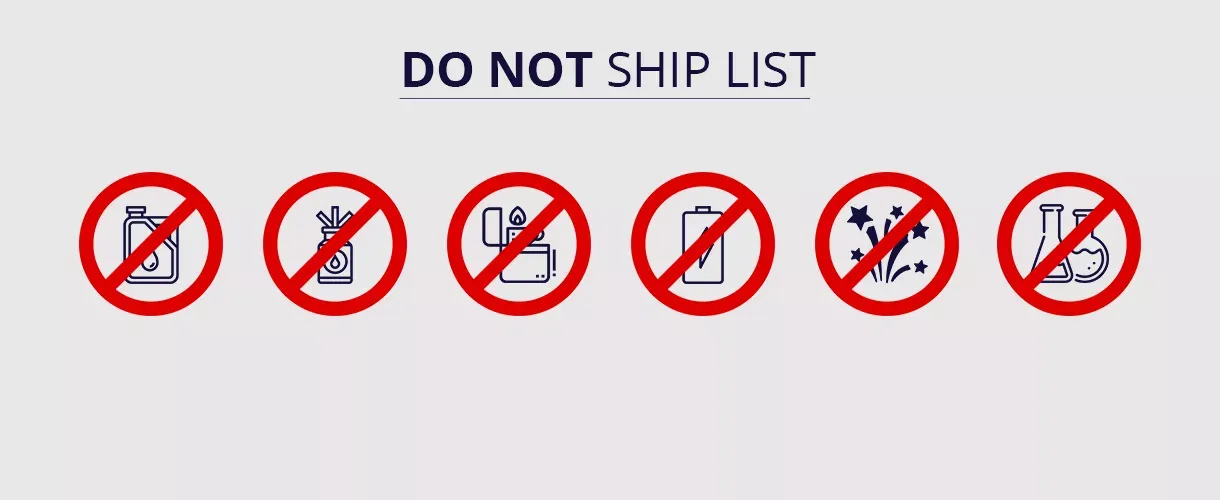
International packers and movers have a standard list of "non-allowables" – items they will not transport.
| Prohibited Goods | Restricted Goods | Valuable Goods |
| Ammunition | Alcoholic Beverages | Personal and Professional Files |
| Gasoline | Food Items | Passports |
| Kerosene | Rice | Aadhar & Social Security |
| Aerosol Cans | Spices | Official IDs |
| Lighters | Pickles | Education Degrees |
| Fire Extinguishers | Perishables | Medical Records |
| Matches | Milk | Tax Records |
| Charcoal | Cheeses | Property Deeds |
| Car Batteries | Meats and Produce | Financial Records |
| Lithium-Ion Batteries | Frozen Foods | Insurance Policies |
| Fireworks | Refrigerated Foods | Cheque Books |
| Lamp Oil | Open-Food Products | Address Books |
| Motor Oil | Canned Items | Jewellery |
| Gas Cylinders | Scuba Tanks | Precious Metals |
| Pesticides | Plants | Collectibles |
| Chemicals | Soil | Cash |
| Nail Polishes | Medicines | Photographs |
| Cleaning Solvents | Drones | Wedding Albums |
| Toy Chemistry Sets | Rechargeable / Robotic Vacuum Cleaners | House and Car Keys |
| Paints | Shell (Subject to destinations / CITES regulations) | Laptops |
| Electric Scooters | Backup Discs with Data | |
| Pornographic Material | Heirlooms | |
| Antiques | Watches | |
| Animal Skin | Luxury Handbags | |
| Furs | ||
| Map of India omitting Jammu and Kashmir | ||
| E-bikes (Electric Bicycles) | ||
| Hoverboards | ||
| UPS Batteries | ||
| Smoke Detectors (Radioactive Type) |
Destination-Specific Bans for International Moves
Different countries have unique regulations on banned or restricted items. Here are some examples:
- Saudi Arabia: Prohibits religious texts, alcohol, and relics.
- Australia: Enforces strict quarantine laws on poorly built or unfinished furniture due to pest concerns.
- India: Has restrictions on certain electronics, antiques, and specific food items.
To avoid costly mistakes, always ask your international movers for a detailed list of destination-specific non-allowables and customs regulations.
What to Do with Non-Allowable Items
Disposing of Perishables:
- Donate food to local shelters, food banks, or soup kitchens.
- Give houseplants or flowers to neighbors, friends, or family.
Tip: Clear out your refrigerator at least 48 hours before the move to allow it to dry out fully.
Handling Hazardous Materials:
- Give gardening tools or household chemicals to neighbors if safe to do so.
- Take hazardous waste to your local waste collection facility.
Check with your municipality for disposal programs for hazardous materials.
Why Choose Globe Moving for Your Relocation
At Globe Moving, safety is our top priority. As an ISO and FIDI FAIM accredited moving company with over 50 years of experience, we ensure that your national or international move is smooth and compliant with all regulations.
- Need advice on what to pack or avoid? We’re here to help.
- Moving within the country or across continents? We’ve got your back.
Contact Us Today!
For expert guidance, contact Globe Moving and let us make your relocation stress-free.
Email: blogs@globemoving.net
We welcome your feedback and blog contributions! (Conditions apply.)
DISCLAIMER: Although Globe Moving has tried to make the above information as accurate as possible, this information may have changed. Hence, Globe Moving accepts no responsibility for any loss or inconvenience sustained by any person resulting from information given above. Globe Moving encourages you to verify any critical information with the relevant authorities before you book the consignment.
Related Links
How to Choose the Best International Packers and Movers?
International Relocation: How to Choose the Right Moving Services for Australia
10 things to expect when you relocate internationally