 FOR ENTERPRISESWorkforce MobilityRelocation support for employees and their families, managed end to end.FIDI-FAIM PLUS · 55+ YEARS · 180+ COUNTRIESFOR FAMILIES AND INDIVIDUALSLocal MovingSame-city home moves, surveyed and packed by one crew.FIDI-FAIM PLUS · 55+ YEARS · 180+ COUNTRIESFOR GLOBAL PARTNERSOrigin ServicesPacking, export documentation and dispatch from India.FIDI-FAIM PLUS · 55+ YEARS · 180+ COUNTRIESRESOURCESBlogs & GuidesPractical advice for planning a move.FIDI-FAIM PLUS · 55+ YEARS · 180+ COUNTRIESABOUT GLOBE MOVINGAbout Globe MovingWho we are and how we work.FIDI-FAIM PLUS · 55+ YEARS · 180+ COUNTRIES
 GUIDES AND TOOLSEverything you need to plan a move.WHO WE AREOne partner. Every move.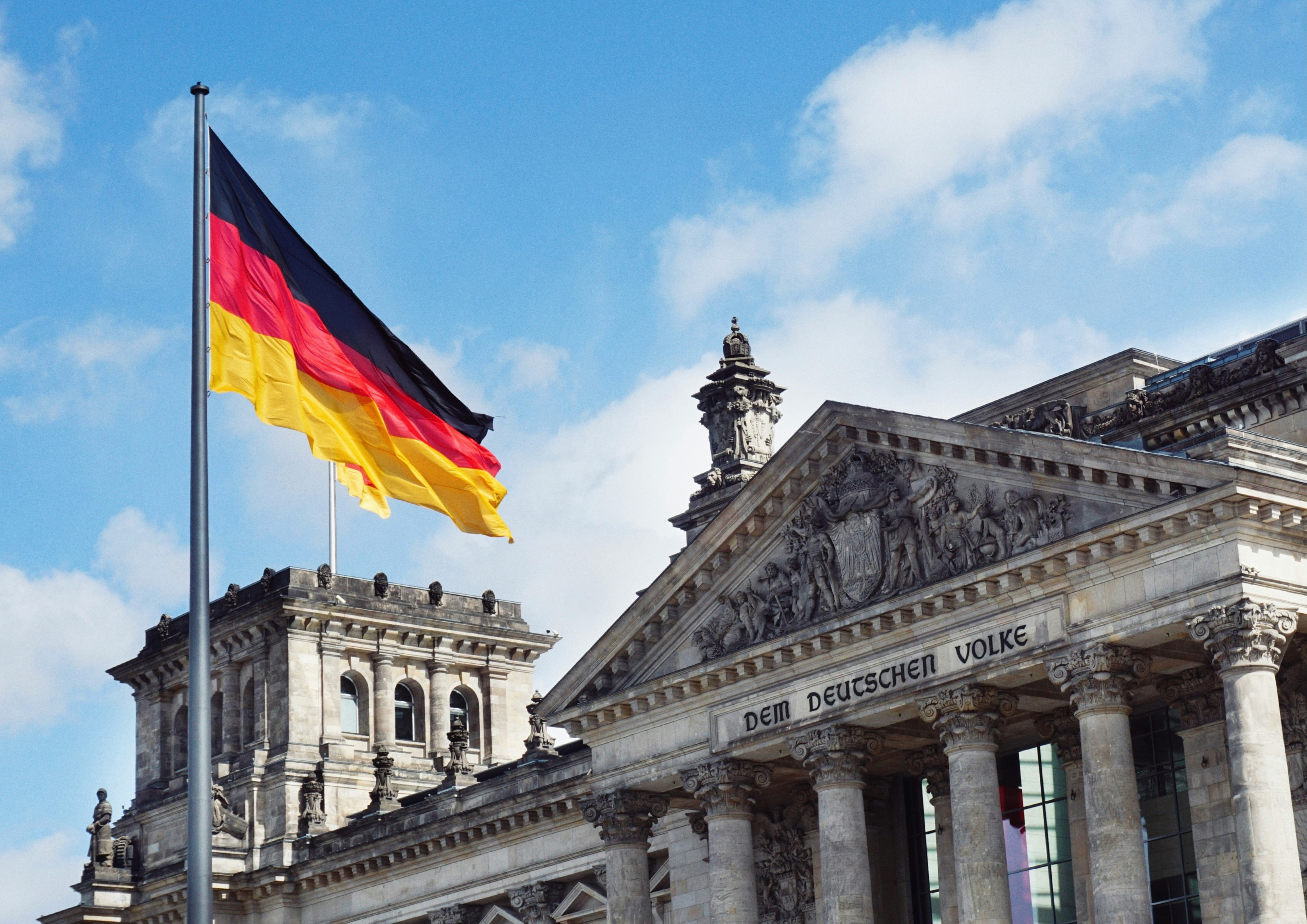
Relocating from India to Germany: What You Need to Know About Language, Work and Everyday Life
Moving from India to Germany is a geographic, emotional, mental, and cultural journey. Redefining your daily routine, your priorities, and the very way you communicate with the world around you are basic shifts that take place almost immediately. Germany has a unique blend of structured opportunities and deep-rooted traditions to offer. But this move requires language skills and patience, more than anything else.
Here’s a detailed guide on how you can navigate life in Germany with confidence and resilience if you are contemplating this move.
- First Steps: Bureaucracy and Paperwork
It might come as a surprise to you but the bureaucratic depth in Germany is far greater than you think. In India, we’re used to flexibility and sometimes informal ways of getting things done. In Germany, every official step comes with rules, documentation, and procedures you must follow to the letter.
Starting with your visa application to registering at the local Einwohnermeldeamt (residents’ registration office), every step has precise requirements. Even a small error or a missing form can lead to delays that test your patience. It is not just red tape. This is how life works in Germany, and learning to work within this framework will smooth your entire experience.
It may be helpful to keep multiple copies of all key documents, translated and notarized where required. While interacting, always ask if you’re unsure. Avoid making assumptions. It’s better to take help early on and save stress later.
- Language: More Than Just Words
In the beginning you can get by with English in cities like Berlin or Munich, and in tech workplaces. But it is challenging. German is essential for everyday life. Whether you’re trying to open a bank account, visit a doctor, buy groceries, mail official forms or trying to understand the public transportation announcements, German is spoken across the board.
Understanding basic German will help you get by smoothly. Germany offers an official Integration Course to new residents, which is aimed at teaching you the language and also understanding cultural and legal life in the country.
Learning the language helps you feel less like a visitor and more like someone who belongs. Without it, even friendly interactions can feel distant or strained. You will feel far more settled and comfortable when you are able to communicate without too much hassle.
- Cultural Directness: Understanding the German Way
In Germany, communication tends to be direct and to the point. This is quite the opposite to India where communication often carries context. What is unsaid can be as important as what is spoken.
Similar to other Western countries, this may feel blunt at first. You might hear a straightforward “no” whereas in India the same answer might be softened with warmth and indirect phrasing. This directness also shows up in workplace communication, customer service and professional feedback, among other everyday places.
As you begin to adjust, you come to value this clarity. You start to appreciate how it removes ambiguity. You look at it as a time saver. You always know where you stand, and expectations become clear. If you learn to separate directness from rudeness, it becomes part of the clarity that makes German life efficient.
- Work Culture: Discipline and Boundaries
Germany’s reputation for work-life balance is real. There are expectations, but it comes with rewards too. The work culture here will be very different from what you’re used to in India. Punctuality is non-negotiable and meeting deadlines is a sign of respect. Work and personal life are clearly separated. Weekend rest and holidays are also meaningful and protected, no matter what.
There is a disciplined structure in this approach that feels unfamiliar if you’re coming from a more fluid daily rhythm. But in time, you will find this liberating. Free evenings and protected family time becomes something you appreciate deeply.
Germany also has strong social insurance and labor protections that contribute to your sense of stability. When you start a job, you’ll be covered by health insurance (mandatory for residents) but you will also get pension, unemployment, and care insurance.
- Social Integration: Building Community Takes Time
Even after you’ve crossed borders, signed paperwork, and learned the basics of German, another challenge remains: feeling at home. Many Indians find Germany welcoming in many ways. Safe cities, a strong economy, and inclusive legal systems. However, social integration doesn’t happen overnight.
Locals may seem reserved as they value privacy and personal space more than in India. Friendships often form slowly and only through repeated interactions, shared interests or community events.
Some Indians find this challenge introspective. You may be a fluent English speaker your entire life, but now suddenly you realize you need to speak German in most social settings. This becomes both a daily challenge and an opportunity. As you improve your language skills, your confidence and social circle expands.
Learning the language is a must as it works as an emotional connector. It allows you to share a joke with neighbors, talk to your local grocery seller, and feel a real sense of belonging.
- Family Adaptation: A Shared Journey
Relocating impacts family members differently. Kids adapt faster in some ways. For one, they are able to pick up language quickly at school. But even for them, settling into a new school system, making friends, and embracing a whole new culture takes work.
Partners or spouses may be moving without a job. For them the emotional adaptation is harder. Without a routine or social circle, days can feel long. Establishing goals, like taking language classes, joining groups, or volunteering, makes a huge difference.
Plan for shared rituals as a family. Activities such as cooking familiar meals on weekends, exploring local parks, or celebrating Indian festivals with new friends become anchors in a new world.
- Everyday Life: Small Things Matter
Learning how to navigate everyday systems, from public transport monthly passes to understanding recycling rules and tax systems, becomes an essential part of your daily routine.
The public infrastructure is robust in Germany. Buses, trams, U-Bahn and S-Bahn are exceptionally reliable once you understand it. And small conveniences like the Deutschlandticket (D-ticket) make urban commuting economical if you’re living near city centers.
These small wins such as understanding schedules, paying bills on time, becoming confident with forms, allows you to build your sense of independence and belonging.
- Staying Updated: A Continuous Process
Life in Germany constantly evolves. Laws, job markets, and regulations evolve. It’s essential to stay informed through official government portals, expat community groups, or local news in German (with translation apps if needed).
Staying updated about residence permits, work visas, family reunification policies, or tax laws protects your status and opportunities. Occasionally, policies change, like how visa processes have been streamlined with digital applications to ease relocation procedures. These updates can make a big difference in how quickly you settle down.
Your German Chapter Begins Here
Relocating to Germany is a marathon that tests your persistence. In the first few months, you may be excited about being in a new place, but this is mixed with frustration. That’s normal. You’re building an entirely new life framework. As language becomes less intimidating, official procedures become familiar, and social circles begin to form, you will feel more settled. One day, you’ll realize you’re no longer just surviving, you’re thriving.
Your relocation will reward precision, respect your tenacity, and deepen your self-understanding. It will ask you to embrace a new language, respect a disciplined culture, and build community from scratch. It challenges you with bureaucracy but rewards you with stability, security, and opportunities.
When planning your move, choose reliable partners like Globe Moving, who can make a significant difference. With expertise in international relocation, you’ll find that you can focus on adapting, rather than worrying about paperwork and logistics.
Photo by [Maheshkumar Painam] on [Unsplash]
Related Links
Moving to India: A Helpful and Honest Guide for Newcomers in 2026
Moving to India – How to Make It a Memorable Experience
Challenges faced by expats when moving to India