

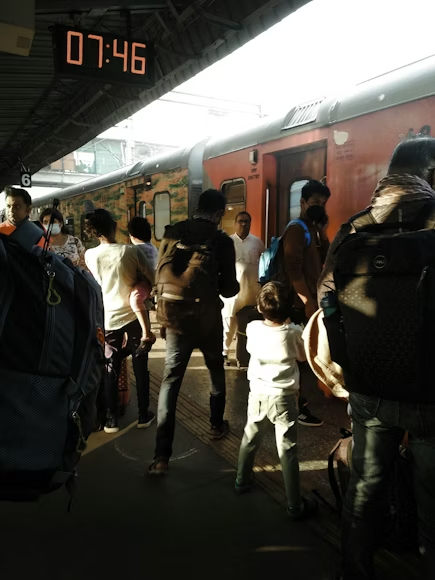
The Emotional Journey: Preparing for Cultural Re-entry Shock
Coming home should feel like a relief. For many people returning from time abroad whether after studying, working, or living in another country it often doesn’t. Instead of stepping back into familiar comfort, they find themselves feeling restless, disconnected, and strangely out of place in a world they thought they knew.
This experience has a name: cultural re-entry shock. It’s the lesser-talked-about counterpart to culture shock, and it catches people off guard precisely because nobody expects their own home to feel foreign. You prepared for the challenges of adapting to a new country. You didn’t prepare for the challenges of coming back.
Re-entry shock can look different for everyone. Some people feel a deep sense of boredom after the stimulation of life abroad. Others struggle to relate to friends and family who don’t understand what they’ve been through. Many find that their values, priorities, and ways of seeing the world have quietly shifted and that gap becomes hard to bridge in casual conversation.
The emotional weight of this experience is real, and it’s more common than most people realize. Understanding what re-entry shock is, why it happens, and how to navigate it won’t make the process painless but it will make it far less isolating.
What Is Reverse Culture Shock?
Most NRIs expect that returning to India will be easy. The thought is “it’s my own country, after all”. But reverse culture shock challenges that assumption. It occurs when the comfort and familiarity you expect upon returning home clash with the reality that both you and your environment have changed.
During years abroad, you adapt to a new cultural rhythm: punctual systems, clear traffic rules, privacy norms, and individualistic social structures. When you return, the sensory overload of crowded streets, open conversations, flexible schedules, and differing efficiencies can feel overwhelming. You may find yourself comparing everything, consciously or unconsciously, to the way things worked abroad.
What’s even more surprising is that this adjustment phase often feels more intense than your first international move. When you move abroad, you expect differences. When you come home, you expect familiarity. The gap between those expectations and the reality is what makes re-entry emotionally complex.
Common Challenges Faced by Returning NRIs
The emotional aspects of moving back to India vary from person to person, but most returning families encounter similar hurdles in the first few months. Recognizing these patterns early can help you prepare and adapt better.
- Feeling Like a Foreigner in Your Homeland: Ironically, many returning NRIs feel more out of place in India than they ever did abroad. Simple social cues, slang, or cultural references might feel unfamiliar. You may struggle to connect with friends who stayed back, or feel that conversations have shifted away from your lived experiences. Even daily interactions, whether at a grocery store or a government office, may require re-learning unspoken norms.
- Dealing with Changed Social Norms: India’s pace of change is rapid. Cities evolve, lifestyles modernize, and even family dynamics adapt. Social media has redefined relationships and status. Children growing up in India today are exposed to a blend of traditional and global influences that may surprise even returning parents. Adjusting to these subtle but significant shifts takes time and patience.
- Frustration with Inefficiencies: Returning professionals often find themselves battling bureaucratic or systemic inefficiencies. Things like setting up utilities, navigating property paperwork, or understanding tax systems can be draining. The comparison with structured systems abroad can amplify frustration. However, understanding that these processes, while different, eventually fall into place can help ease the transition.
- Loss of Independence: For some NRIs, the return to India also brings a sudden increase in dependence on family, domestic help, or social networks. While the support system can be comforting, it may initially feel like a loss of autonomy, especially for those used to managing everything independently overseas.
Strategies for Families: Managing Emotional and Practical Transitions
A smooth re-entry requires more than just packing your belongings; it involves mentally preparing yourself and your family for a new chapter.
- Helping Children Adjust: Children often experience culture shock differently. Those who spent formative years abroad may find Indian classrooms more structured, competitive, or academically rigorous. Socially, they might feel out of sync with peers. Parents can ease this transition by talking to children about the move months in advance, and sharing stories, photos, and videos about life in India. Focus on similarities by highlighting aspects of life that remain constant such as family ties, festivals or favorite food. This helps anchor familiarity. Remember to encourage openness. Let children express discomfort or confusion. Their reactions are part of the adjustment process, not resistance.
- Managing Expectations for Spouses: For trailing spouses, particularly those leaving behind established social circles or professional identities, re-entry can be emotionally taxing. They may struggle with isolation or a slower pace of life compared to what they were used to abroad. Try to set realistic expectations. The first few months will involve adjustment. Give each other space and patience. Explore hobby groups, community events, or volunteering opportunities to build new social circles. For spouses also looking at a career transition, many find new opportunities in flexible or remote roles that allow them to balance family and reintegration.
- Building a New Support System: Reintegration doesn’t mean going back to how things were. Instead focus on creating a new version of “home.” One of the best ways to overcome emotional fatigue is by surrounding yourself with people who understand your experience. Try connecting with other returning NRI communities. These groups offer a valuable platform to share experiences, exchange advice, and find empathy. Reconnect with old friends and family. While some bonds will feel natural, others might take time to rekindle. Instead of focusing on differences, embrace shared memories and new experiences together. Participate in neighbourhood events and cultural celebrations. India’s sense of community is one of its greatest strengths. Engaging actively can help you feel grounded faster and give your family a sense of belonging.
Rediscovering the Positives of Life in India
While reverse culture shock can be challenging, it’s also an opportunity to rediscover what makes life in India fulfilling. The truth is, many returning NRIs find that once they settle in, the quality of life can be as good, or even better, than what they had abroad.
The availability of domestic help, cooks, and drivers makes daily life easier and gives families more time together. This is something that’s often hard to find overseas. The warmth of extended family, the energy of local festivals, and the spontaneous social interactions bring color and community into everyday living.
Moreover, India’s growing global relevance, thriving startup ecosystem, and expanding professional landscape mean that returning home doesn’t mean compromising on ambition or lifestyle.
Finding Balance Between Two Worlds
Returning NRIs often describe their journey as learning to live between two worlds. The experience abroad broadens your perspective, while life in India deepens your connection to roots. Balancing both allows you to live with a global mindset and local grounding, a combination that’s enriching in every sense.
The emotional aspects of moving back to India are as real as the logistical ones. Reverse culture shock is not a sign of weakness. It’s simply a reminder that you’ve grown and adapted in your time abroad. Give yourself time, empathy, and space to adjust.
At Globe Moving, we’ve seen this transformation firsthand. With decades of experience helping families relocate globally, our team knows that the move doesn’t end when the shipment arrives. It continues through every stage of emotional adaptation and cultural reintegration.
Credits:
Image Credits : Photo by [Sumedh Sakhare] on Unsplash
Related Links
Top Locations in Chennai
The Definitive Guide to Moving to India: A Complete Roadmap for NRIs and Expats
Moving to India: A Helpful and Honest Guide for Newcomers in 2026
FAQs
1. What is cultural re-entry shock?
Cultural re-entry shock is the emotional and psychological adjustment people face when returning to their home country after living abroad. Things may feel unfamiliar even though they were once normal.
2. Why does returning home sometimes feel difficult?
Expectations often don’t match reality. People, environments, and even you may have changed, which can create feelings of discomfort or disconnect.
3. What kind of emotions are common during re-entry?
People may feel confusion, frustration, loneliness, or even disappointment. At the same time, there can also be comfort in being close to family and familiar surroundings.
4. How long does it take to adjust after moving back?
Adjustment time varies for each person. Some adapt quickly, while others may take months to feel fully settled again.
5. Can re-entry shock affect my identity?
Yes. Living abroad often changes your perspective and habits, so returning home can make you question where you truly belong.