 FOR ENTERPRISESWorkforce MobilityRelocation support for employees and their families, managed end to end.FIDI-FAIM PLUS · 55+ YEARS · 180+ COUNTRIESFOR FAMILIES AND INDIVIDUALSLocal MovingSame-city home moves, surveyed and packed by one crew.FIDI-FAIM PLUS · 55+ YEARS · 180+ COUNTRIESFOR GLOBAL PARTNERSOrigin ServicesPacking, export documentation and dispatch from India.FIDI-FAIM PLUS · 55+ YEARS · 180+ COUNTRIESRESOURCESBlogs & GuidesPractical advice for planning a move.FIDI-FAIM PLUS · 55+ YEARS · 180+ COUNTRIESABOUT GLOBE MOVINGAbout Globe MovingWho we are and how we work.FIDI-FAIM PLUS · 55+ YEARS · 180+ COUNTRIES
 GUIDES AND TOOLSEverything you need to plan a move.WHO WE AREOne partner. Every move.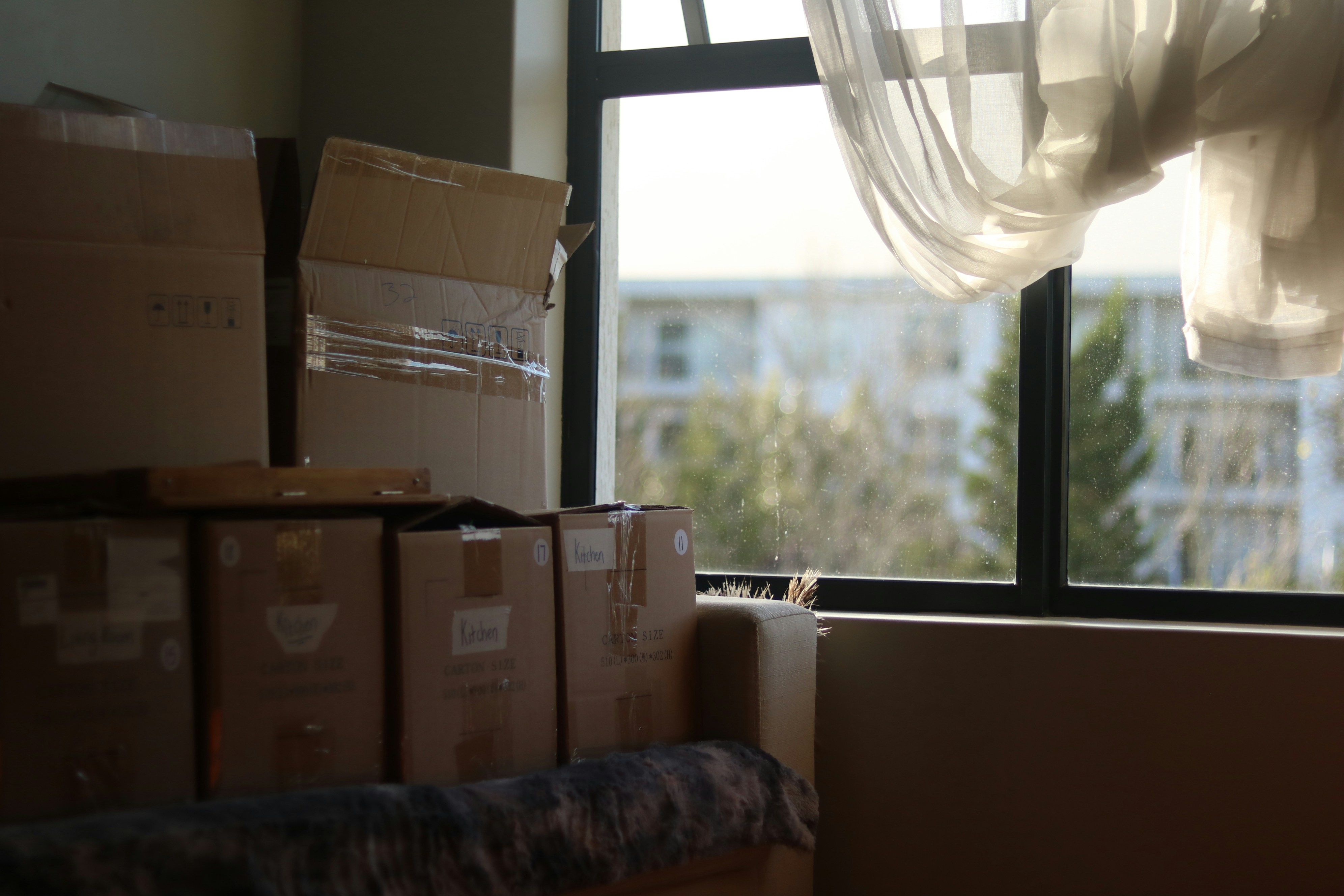
The Ultimate Monsoon Moving Guide: Strategies for a Stress-Free Relocation
Moving during the monsoon season doesn't have to be a nightmare. Whether you're relocating within the city or shifting to a new town, understanding how to navigate heavy rains, waterlogged roads, and humidity-related risks can make all the difference. This comprehensive monsoon moving guide covers everything — from pre-move planning and weatherproof packing to safe transport and settling into your new home. Follow these expert-backed monsoon relocation tips and turn a potentially chaotic move into a smooth, organised transition.
Why Monsoon Moves Are Uniquely Challenging
India's monsoon season (typically June to September) brings with it a host of logistical complications that are simply not present during dry months. Understanding these challenges is the first step toward overcoming them:
- Slippery roads and traffic congestion slow down moving trucks, increasing transit time and fuel costs.
- High humidity and moisture can seep into cardboard boxes, damaging electronics, documents, wooden furniture, and fabric items.
- Waterlogging and flooded streets can block access to both your current and new address.
- Mould and mildew growth on soft furnishings, clothes, and wooden items is a real threat when items are packed for extended periods in humid conditions.
- Safety hazards for the moving crew, including slips, falls, and electrical risks.
Despite these challenges, thousands of families and professionals successfully relocate during monsoon every year — and you can too, with the right preparation.
Step 1: Plan Ahead — Your Monsoon Moving Checklist
Careful planning is the backbone of any successful monsoon move. The more detail you put into your checklist, the fewer surprises you'll face on moving day. Here's a structured monsoon moving checklist to get you started:
Choose the Right Moving Date
- Avoid scheduling your move during peak monsoon months if possible. Early June or late September tend to have lighter rainfall.
- Pick a weekday move — weekends see heavier traffic, making travel slower and more unpredictable.
- Always have a backup date in mind. Confirm with your packers and movers that rescheduling is possible at short notice if there's a heavy rain warning.
Monitor the Weather Actively
- Track the India Meteorological Department (IMD) forecast daily in the two weeks before your move.
- Use reliable apps like Windy, AccuWeather, or IMD's own Mausam app for hourly updates.
- Identify the best weather window — often early morning (before heavy afternoon downpours) — and schedule loading and unloading accordingly.
Coordinate with Your Packers and Movers
- Choose a packers and movers company with proven monsoon experience. Ask specifically about their rain-ready equipment and protocols.
- Discuss contingency plans for delays, rerouting due to flooded roads, and emergency contact procedures.
- Confirm that their trucks are covered and waterproofed. Inquire whether they carry additional tarps and plastic sheets.
Step 2: Weatherproof Your Packing — Protect Every Item
Packing for a monsoon move requires a different approach than packing in dry weather. The goal is to create multiple moisture barriers so your belongings arrive at your new home in perfect condition.
Essential Weatherproof Packing Materials
- Heavy-duty plastic wrap (stretch film): Wrap all cartons, appliances, and furniture in multiple layers.
- Sealable plastic bins and ziplock bags: Replace cardboard boxes for valuables, documents, and electronics wherever possible.
- Waterproof packing tape: Seal every flap and seam of your cartons — ordinary tape loosens in humidity.
- Silica gel packs: Place these inside boxes containing electronics, clothes, and books to absorb residual moisture.
- Bubble wrap and foam padding: These provide shock protection and also act as an insulating moisture barrier for fragile items.
Category-Specific Packing Tips
Electronics: Wrap each device individually in anti-static bubble wrap, place in a ziplock bag, then box. Never pack electronics near the bottom of a pile.
Documents and important papers: Use waterproof folders or dry bags. Scan critical documents to cloud storage as a digital backup before your move.
Wooden furniture: Apply a coat of polish or wax before the move. Wrap completely in stretch film and pad with moving blankets. Excess moisture causes wood to swell and warp.
Clothing and textiles: Vacuum-seal bags are ideal — they compress volume and eliminate air (and moisture). Avoid packing damp clothes.
Artwork and mirrors: Use corner protectors, wrap in plastic, and mark boxes 'Fragile — Keep Dry' clearly on all sides.
Smart Labelling for Monsoon Moves
- Use waterproof markers or print labels and cover them with clear tape — regular ink smears when wet.
- Colour-code boxes by room AND by priority (what you need first at your new home).
- Clearly mark boxes with 'FRAGILE', 'THIS SIDE UP', and 'KEEP DRY' to guide the moving crew.
Step 3: Efficient Loading and Transport
The loading phase is where many monsoon moves go wrong. A systematic approach keeps your items safe and your team working efficiently — even in a drizzle.
Loading Best Practices
- Load heavy items first. Appliances, sofas, and wardrobes go in first to provide a stable base and reduce the risk of items shifting during transport on slippery roads.
- Keep rain-sensitive items accessible. Electronics, documents, and clothing in plastic bins should be loaded last so they can be offloaded first and moved indoors quickly.
- Cover the truck interior. A good packers and movers team will line the truck floor and walls with waterproof tarpaulins. Confirm this before loading begins.
- Use enclosed trucks when possible. Open-body vehicles are risky during monsoon. Insist on a fully enclosed moving truck, especially for long-distance relocations.
- Secure the load properly. Use straps and ropes to prevent items from sliding. Wet roads mean harder braking, which can cause unsecured items to topple.
Route Planning in Monsoon
- Plan your route in advance, avoiding known flood-prone areas, underpasses, and low-lying roads.
- Keep a backup route ready and share it with the driver.
- Check local municipal corporation alerts for waterlogging or road closures on moving day.
Step 4: Preparing Your New Home Before the Move
Arriving at a new home that isn't ready for a rainy-day move is a recipe for chaos. A little advance preparation goes a long way.
Pre-Move Inspection Checklist
- Check for leaks and seepages: Inspect ceilings, walls, windows, and balcony doors for water ingress. Repair these before moving furniture in.
- Clear drainage points: Ensure balcony and terrace drains are not blocked. A single blocked drain can result in flooding inside the home.
- Ventilate the new home: Monsoon weather can make new homes feel damp and musty. Run fans and open windows when rain is light to air out the space before your belongings arrive.
- Lay down floor protection: Place old newspapers, rubber mats, or waterproof sheeting at entry points to prevent mud and water from being tracked inside.
- Designate a dry zone: Identify a room or area away from entry points where items will be placed temporarily during unloading — minimise exposure to the elements.
Step 5: Safety and Health During a Monsoon Move
Physical safety for both you and the moving crew is a non-negotiable priority during a monsoon relocation. Here's how to keep everyone protected:
Personal Safety Measures
- Footwear: Wear rubber-soled, waterproof shoes or boots — not slippers or flip-flops. Wet stairs and floors are a major slip hazard.
- Rain gear: Keep ponchos or raincoats accessible for the entire moving crew. Getting soaked leads to fatigue and reduced focus.
- Electrical safety: Never handle electrical items or plug/unplug appliances near standing water. Keep extension cords and power strips away from the floor during heavy rain.
- First aid kit: Keep a basic kit accessible — bandages, antiseptic, and pain relief for minor cuts and muscle strains.
Health and Wellness Tips
- Stay hydrated — it's easy to forget in cool, rainy weather, but physical exertion still causes dehydration.
- Take regular breaks to avoid exhaustion — a fatigued crew makes more mistakes and is more prone to injury.
- Have warm drinks and light snacks available to maintain energy levels throughout the day.
- Change into dry clothes as soon as possible after the move — prolonged exposure to wet clothing can cause illness, especially in children and the elderly.
Step 6: Insurance and Damage Protection
One step that many people overlook during a monsoon move is transit insurance. This is particularly important during the rainy season, where the risk of damage is significantly higher.
- Ask your packers and movers about transit insurance options. Reputable companies offer coverage for damage during transit, including weather-related incidents.
- Document your belongings before packing. Take photos or videos of high-value items, electronics, and furniture. This serves as proof in case of a damage claim.
- Read the fine print. Understand what is and isn't covered. Some policies exclude water damage — clarify this upfront.
- Keep important documents with you. Don't load passports, property papers, insurance policies, or financial documents into the moving truck. Carry these personally.
Conclusion: A Stress-Free Monsoon Move Is Absolutely Possible
Moving during the monsoon season is undeniably more demanding than relocating during dry months — but with thorough planning, the right materials, and an experienced packers and movers team by your side, it is entirely achievable without stress or significant damage.
The key takeaways from this monsoon moving guide are simple: plan early, pack with moisture protection as your first priority, communicate clearly with your moving team, prepare your new home in advance, and never compromise on safety. Whether you are moving within the same city or shifting across states during the rains, these rainy season moving tips give you a proven framework to follow.
If you're planning a move—whether to a new city or within your current one—trust Globemoving for a seamless and stress-free relocation experience.
FAQs
Yes, moving during the monsoon in India is safe if you plan properly and use professional packers and movers experienced in rainy-season relocations. The key risks—water damage, slippery surfaces, and transport delays—can be minimized with waterproof packing materials, enclosed trucks, route planning, and transit insurance.
To protect furniture and electronics during a monsoon move:
- Wrap items in heavy-duty plastic stretch film.
- Use anti-static bubble wrap for electronics.
- Pack valuables in waterproof plastic bins instead of cardboard.
- Add silica gel packs to absorb moisture.
- Ensure the moving truck is fully enclosed and lined with tarpaulin.
Moisture protection should be your top priority during monsoon relocation.
If you must relocate during the rainy season, early June and late September are typically safer periods, as rainfall intensity is relatively lower compared to peak monsoon months like July and August. Always monitor local weather forecasts from the India Meteorological Department (IMD) before confirming your moving date.
Yes. Hiring professional packers and movers during monsoon significantly reduces the risk of water damage and accidents. Experienced movers use waterproof packing materials, enclosed trucks, protective floor coverings, and proper load-securing techniques to ensure safe transit even on wet roads.
DIY moves during heavy rain often lead to higher damage risks and unexpected delays.
Transit insurance may cover weather-related damage, but not all policies automatically include water damage. Before booking, ask your packers and movers:
- Does the policy cover rain and flooding?
- What documentation is required for claims?
- Is coverage full-value or declared-value based?
Always read the fine print carefully before finalizing.
To prevent mould growth after relocation:
- Unpack immediately upon arrival.
- Air out clothes, bedding, and furniture.
- Use dehumidifiers or moisture absorbers.
- Keep windows ventilated when rainfall is light.
- Avoid storing damp items in closed spaces.
Humidity management is critical after a rainy-season move.
During loading and unloading:
- Use rubber-soled footwear to prevent slips.
- Lay waterproof sheets at entrances.
- Load heavy items first for stability.
- Keep sensitive items accessible for quick unloading.
- Avoid handling electrical appliances near standing water.
Safety planning is essential to avoid injuries and damage.
The biggest mistake is underestimating moisture damage. Many people rely solely on cardboard boxes without additional waterproof wrapping. During monsoon relocation, every box should be sealed with waterproof tape and wrapped in plastic. Ignoring weather monitoring and route planning is another common error that leads to delays and complications.
Photo by [Alicia Christin Gerald] on [Unsplash]