
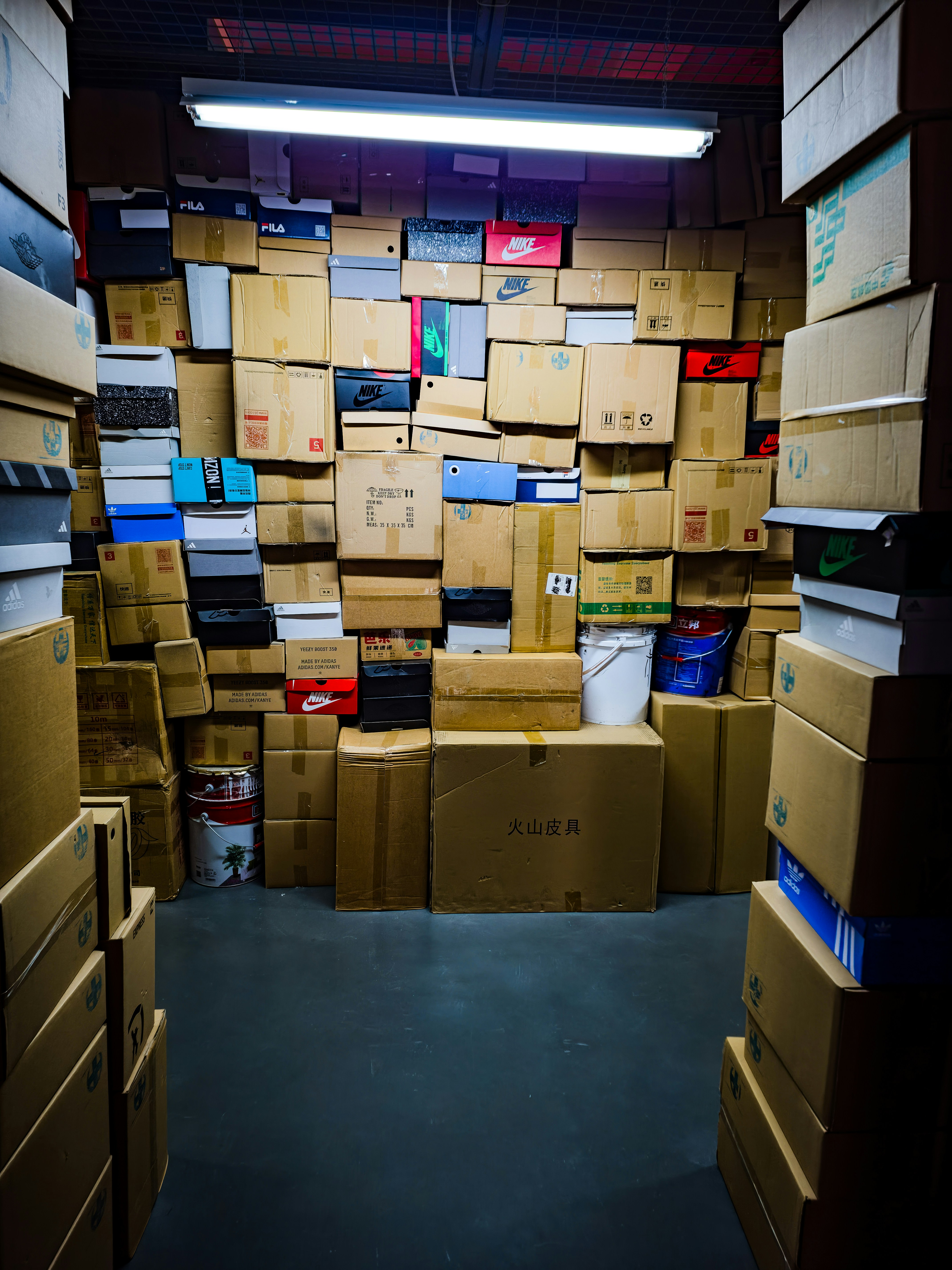
Why Packing at Home Can Destroy Your Stored Items: A Complete Guide
When people prepare belongings for storage, packing is often treated as a straightforward step—something that feels intuitive and easy to manage. A few cartons, some wrapping, and careful handling feel sufficient—especially when the items aren’t moving far or won’t be accessed for a while.What’s easy to overlook is that storage places very different demands on packed items—continuous pressure, changing humidity, limited airflow, and long periods without disturbance.
Most storage damage is not caused by mishandling, but by time, environment, and packing methods that gradually fail without visible warning.
This storage packing guide examines the technical reasons home packing fails under storage conditions. It focuses on material limitations, moisture exposure, pest access, and the differing requirements of short-term versus long-term storage. Understanding these factors enables informed packing decisions and reduces preventable asset loss.
The Structural Gap Between Home Packing and Storage Conditions
Home packing is usually designed for movement, not endurance. Storage introduces sustained pressure, environmental exposure, and time-based stress that packing methods must withstand continuously—not just once.
Most household cartons are reused and structurally weakened. Humidity softens carton walls, while household tape degrades over time, loosens, and fails to keep flaps sealed. As cartons weaken, items shift, compress, and become increasingly exposed to environmental and physical stress. .
Professional packing materials are engineered for storage conditions. They are tested to withstand stacking pressure, long-term load, and environmental stress. This explains why items packed at home may appear secure initially but deteriorate over time in storage.
Material Quality Determines Storage Survival
One of the most overlooked reasons for storage damage is material mismatch. Items packed at home are often wrapped with newspaper, cloth, thin plastic sheets, or reused bubble wrap. These materials offer minimal protection against moisture, dust, and abrasion.
Professional grade materials are purpose built. Cartons are layered for strength. Wrapping materials are moisture resistant and tear resistant. Cushions are designed to absorb shock and maintain shape over time. When household materials are used in storage, they often degrade faster than the items they are meant to protect.
This mismatch is central to many packing mistakes to avoid, though the issue is less about carelessness and more about technical limitations.
Moisture Exposure Inside Storage Spaces
Moisture is one of the most damaging—and most underestimated—risks in storage environments. Temperature fluctuations cause condensation, concrete floors release moisture, and poor drainage increases ambient humidity. Without moisture barriers, this moisture becomes trapped inside packed items.
Moisture control for storage requires deliberate measures. Professional packing uses desiccants, moisture-absorbing layers, and breathable protective wraps, while home packing typically omits them. As a result, clothing mildews, paper warps, wood swells, and metal corrodes.
Sealing items before they are fully dry accelerates damage, because even minimal trapped moisture can trigger fungal growth that spreads silently and permanently within weeks.
Pest Access Is a Structural Problem
Pest damage in storage is a structural and process-driven risk. Storage environments provide shelter and low disturbance, attracting insects and rodents. Small packaging weaknesses can become entry points, leading to infestation over time.
Home-packed cartons placed on floors and sealed with household tape weaken under humidity, increasing vulnerability. Pest deterrents are often used without controlled placement, reducing effectiveness and causing odor absorption.
Effective pest prevention in storage begins with limiting access points and reducing exposure. Professional packing elevates cartons, applies industrial sealing, and integrates routine pest control, reducing long-term exposure.
Electronics Are Vulnerable to Internal Damage
Electronic assets are particularly vulnerable to latent internal damage that may not be immediately visible after storage. Failures often emerge only at the point of reuse, creating operational risk and unplanned replacement costs.
Household wrapping materials do not protect against static electricity, humidity, or subtle internal movement during storage. Electronic components are sensitive to moisture and corrosion. Plastic bags trap humidity. Newspaper transfers ink and moisture. Cloth offers no structural support.
Professional packing uses anti static materials, internal cushioning, and moisture isolation. Batteries are removed to prevent leakage. These technical steps are rarely followed during home packing, increasing the risk of silent failure that appears only when the device is used again.
Furniture Suffers from Pressure and Abrasion
Furniture damage in storage is rarely caused by handling alone; it is primarily the result of inadequate packing design. Unlike transit, storage exposes furniture to sustained load pressure over long periods. Thin plastic or household coverings provide no resistance to this pressure, causing stress at contact points and surface friction.
Over time, polished finishes scratch, wooden joints weaken due to humidity fluctuations, and upholstery absorbs moisture and odors. Home packing typically focuses on coverage, not long-term structural or surface protection.
Professional packing accounts for storage conditions through layered materials, edge reinforcement, and controlled load distribution. This preserves structural integrity and surface quality throughout the storage cycle.
Clothing Storage Requires Environmental Balance
Clothing is highly sensitive to moisture and airflow. Home packing methods often rely on plastic bags or cardboard cartons without ventilation or moisture control.
In long term storage, this leads to mold growth, yellowing, fabric weakening, and persistent odors. Mothballs used incorrectly create strong smells that are difficult to remove and may damage delicate fabrics.
A reliable storage packing approach differentiates between short-term and long-term clothing storage. Breathable covers, moisture absorbents, and clean dry garments are essential. Home packing rarely makes this distinction, increasing the likelihood of damage.
Short Term and Long Term Storage Demand Different Approaches
One of the most critical technical oversights in home packing is ignoring storage duration. Short term storage may tolerate simpler protection if conditions are controlled. Long term storage introduces cumulative risks.
Over months or years, temperature fluctuations cause expansion and contraction. Humidity levels change. Pests explore unused spaces. Packaging materials degrade. Most home packing methods are not designed to withstand these cumulative cycles.
Professional packing adapts materials and techniques based on storage duration. This distinction significantly reduces long term loss and replacement costs.
Real World Consequences of Home Packing
In storage audits and post-storage assessments, certain damage patterns appear consistently. Paper records stored in reused cartons frequently show ink transfer, page adhesion, and warping due to prolonged moisture exposure. Wooden furniture placed directly on concrete surfaces exhibits swelling, joint stress, and increased susceptibility to termite activity. Electronics packed without humidity isolation or anti-static protection often experience corrosion or internal component degradation despite remaining externally intact.
These outcomes are not isolated incidents; they appear repeatedly in storage audits and post-retrieval assessments where packing methods were not designed for long-term storage conditions.
Comparison of Home Packing and Professional Packing
The difference between home packing and professional packing becomes clearer when viewed through a storage-risk lens rather than a convenience or cost lens.
| Area | Home Packing | Professional Packing |
| Carton durability | Low strength reused cartons | Engineered high strength cartons |
| Sealing method | Basic household tape | Industrial grade sealing |
| Moisture control | Usually absent | Desiccants and barriers |
| Pest protection | Informal and inconsistent | Planned preventive systems |
| Electronics safety | External wrapping only | Anti static and internal cushioning |
| Storage duration planning | Not considered | Duration specific methods |
Business Impact of Storage Damage
For businesses, damage during storage goes beyond the loss of physical items. It creates operational gaps, delays project timelines, and disrupts planned deployments. Damaged assets often require urgent replacement, resulting in unplanned costs and pressured decision making. Storage related damage also complicates insurance processes and extends settlement timelines.
These outcomes are not isolated errors but the result of packing choices misaligned with storage conditions. Packing should therefore be treated as a strategic function, not an ad hoc task.
Investing in professional packing reduces risk exposure, protects asset value, and ensures stored items remain functional, compliant, and available when required.
Home packing methods fail in storage because they are not engineered for environmental, mechanical, or temporal demands. Insufficient material strength, lack of moisture control for storage, unmanaged pest exposure, and no duration-based packing decisions increase asset risk. A reliable storage packing guide prioritizes material quality, moisture management, and pest free storage practices. Storage damage is rarely the result of a single mistake. It is usually the cumulative outcome of packing methods that were never designed for time, environment, and sustained pressure. Professional packing is not about convenience—it is about preserving value, functionality, and readiness across the entire storage lifecycle.
Photo by [Declan Sun] on [Unsplash]
Related Links
International Relocation: How to Choose the Right Moving Services for Australia
Best Storage Companies in Mumbai
Packing and Moving Household Goods to USA