
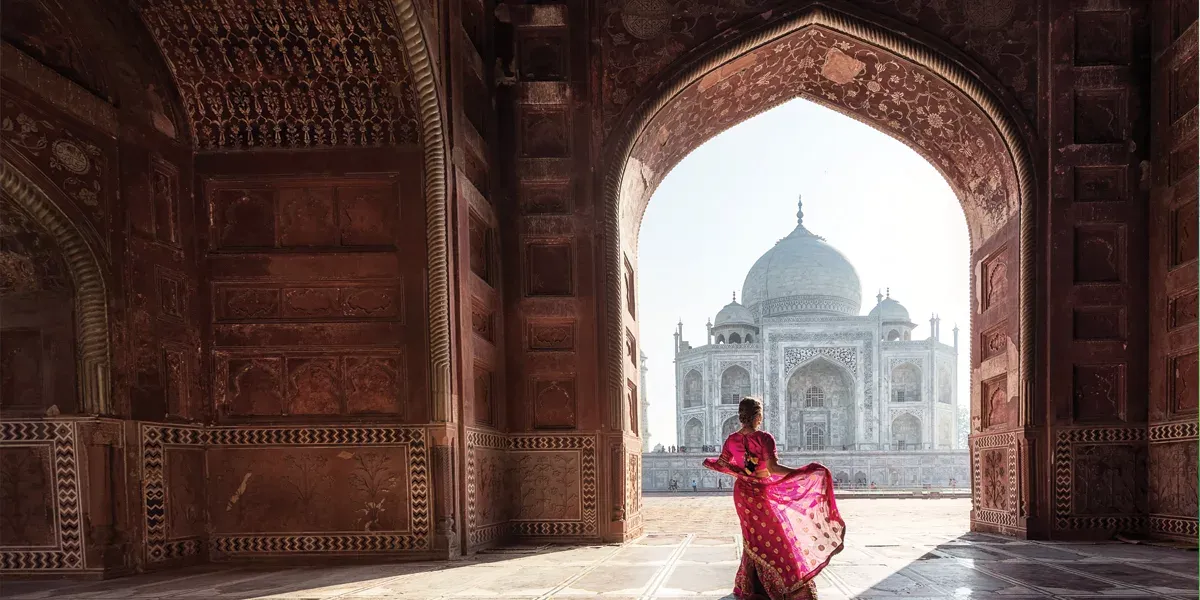
Things to Avoid When Living in India
Executive Summary
Cultural and regulatory restrictions in India define specific behaviors, items, and actions that individuals must avoid when relocating or visiting the country. Non-compliance can lead to legal penalties, customs delays, or social misunderstandings due to differences in laws, traditions, and import regulations. This information is most relevant for expatriates, international movers, and decision-makers planning relocation to India.
Why common assumptions about global relocation often fail within India’s legal and cultural environment
India is a unique country with diverse culture and rich history. While visiting or staying in India for the first time, come prepared to soak in the myriad of cultures, languages, food, traditional attires and festivities. You will come across unfamiliar sights, sounds, and tastes like never before. India has a lot to offer ranging from festive markets, street food, handicrafts, temple and history tours to name a few
Avoid Street food in the first few days
Although Indian food is quite tempting and delicious, it is highly recommended that you avoid eating street food especially in the first few days after you arrive in India. Roadside food stalls can be unhygienic or can cause serious stomach problems. Most roadside food stalls use a lot of spices in their dishes. If you are not used to eating spicy food, then it will affect your health and you will end up having an upset stomach. However, it is perfectly safe to eat in a proper restaurant.
Avoid drinking tap water
Tap water is not meant for drinking in India. Always drink bottled water or filtered water in India. Most homes in India are equipped with water filters to provide safe drinking water. If you do not have a water filter, get one installed. Drinking tap water in India can cause serious health problems such as diarrhea etc. While traveling, always carry a steel water bottle and carry your own water. In a restaurant, ask for bottled water and avoid drinking tap water.
Do not address elders by name
In India, one’s elders are never addressed by their names. Indian communities are very close-knit and elders are always treated with respect. One of the ways to show your respect is avoiding to address them by their names. You can either use Mr. or Mrs. before their names or address them using the appropriate titles used for brother, sister, uncle, or auntie. If you are unsure how you should address an elder, you can ask for someone’s help to guide you. Alternatively, you can also do research online to know more about Indian culture and customs.
Avoid religious conversations
India is a highly diverse and secular country and you will find people from different religious and cultural backgrounds living here. It is important that you do not offend anyone by making an insensitive comment about their religious beliefs. There are almost six practicing religions in India and each community has its own customs and beliefs. Striking up a conversation about a particular religion or religious practice sometimes leads to heated arguments and debate that can hurt a person or a group’s feelings. Therefore, avoiding such conversations is a smart decision.
Here’s a useful Guide to Settling in India Quickly and Comfortably
Do not leave your belongings unattended
Like most countries, it is unsafe to leave your belongings unattended. You should always keep an eye on your belongings while traveling by bus, train, or metro. If you are in a crowded area you must be extra vigilant about your belongings. Avoid carrying original documents such as passports, ID proofs, etc. if you dont need to. India is one of the most populated countries in the world and if your things get stolen, it is almost impossible to find the responsible parties.
Living in India can be a challenging, yet life-changing experience. The diversity in culture, language, and food can have a deep impact on your life. It can be an overwhelming experience but by avoiding the things mentioned in this article, you can have a smooth and relatively stress-free stay in India.
Globe Moving is a professional packing, moving and relocation service provider. If you are moving to India, and need packing and moving services or require relocation services such as city orientation, temporary housing or home search, call Globe Moving on +91 80 4211 5151 or email us at enquiries@globemoving.net .
“We would love to hear your feedback about our blogs. Do share your thoughts and ideas to blogs@globemoving.net. We also publish moving related blogs written by our customers and patrons, do sent your contributions to blogs@globemoving.net. ( Conditions apply)”
Related Links
Top Boarding Schools in India
Healthcare in India
Long Distance Moving Tips for Stress-Free Relocation