

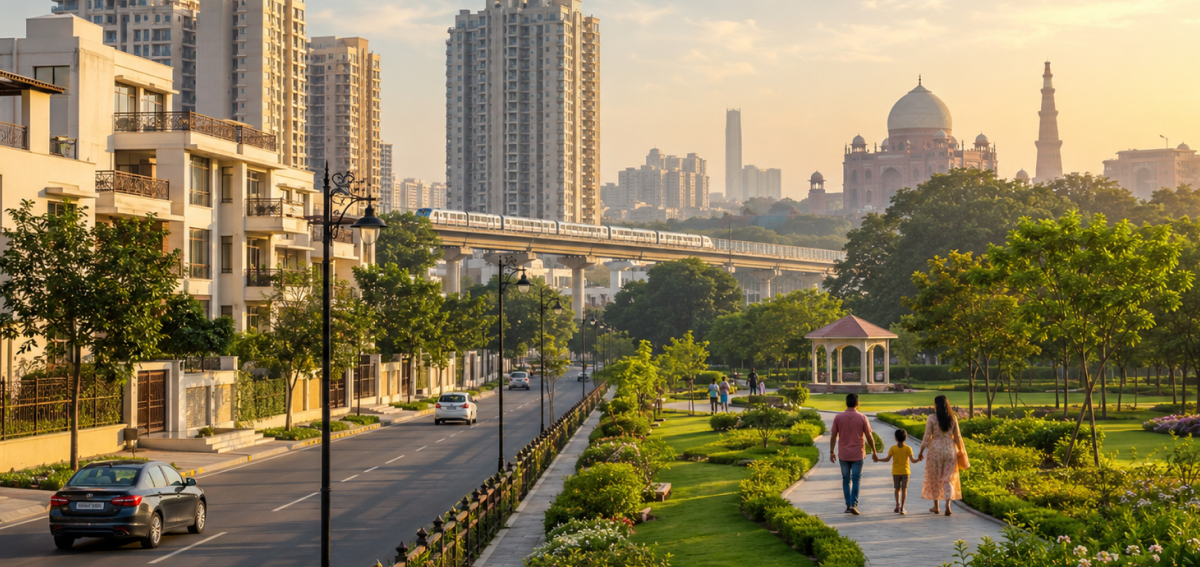
Top 10 Areas to Live in Delhi
Quick Overview
- South Delhi dominates for premium, family-friendly living. Greater Kailash, Vasant Kunj, Saket, Hauz Khas, and New Friends Colony all rank among the best places to live in Delhi for families.
- Dwarka and Rohini are the strongest budget-friendly options, offering solid infrastructure and metro access at significantly lower price points.
- Connaught Place is Delhi’s commercial core, ideal for professionals who prioritize a central location above all else.
- Mayur Vihar and Karol Bagh offer the best value for mid-range budgets, with strong connectivity and well-established neighborhood amenities.
- Average property rates across these 10 areas range from ₹11,000/sq. ft (Rohini) to ₹38,889/sq. ft (Connaught Place).
Area 1: Greater Kailash – Premium Living in South Delhi
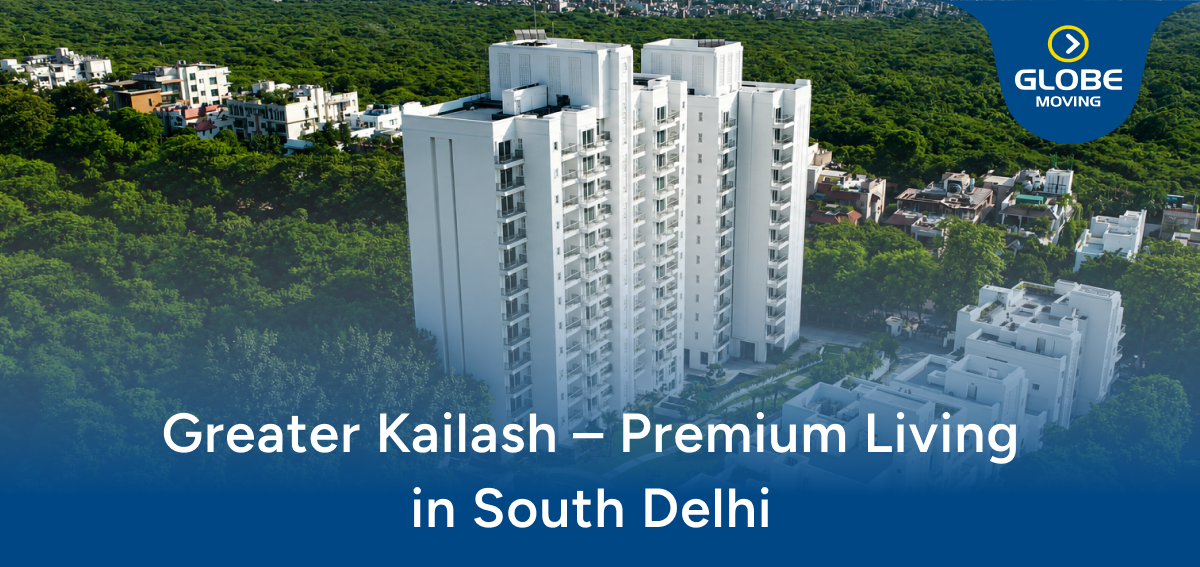
Greater Kailash (GK) is one of Delhi’s most sought-after addresses, split into GK I and GK II. Known for posh bungalows, upscale markets, and a cosmopolitan vibe, GK consistently ranks as one of the best areas in Delhi for high-income families and NRIs.
- Connectivity: Greater Kailash Metro Station (1.6 km); Pamposh Enclave Bus Stop (1.3 km)
- Schools: Don Bosco School, Summer Fields School
- Hospitals: Phoenix Hospital, Fortis La Femme
- Restaurants & Cafes: Kori’s, Music & Mountains; M Block Market for dining and shopping
- Avg. Property Rate: ₹27,950/sq. ft
- Avg. Monthly Rent: ₹6,000 – ₹1,30,000
| Pros | Cons |
|---|---|
| Safe, high-class environment with excellent schools | Frequent noise and water shortages |
| Well-maintained roads and proximity to Nehru Place | Ongoing waste management challenges |
Area 2: Vasant Kunj – Green, Peaceful, and Well-Connected
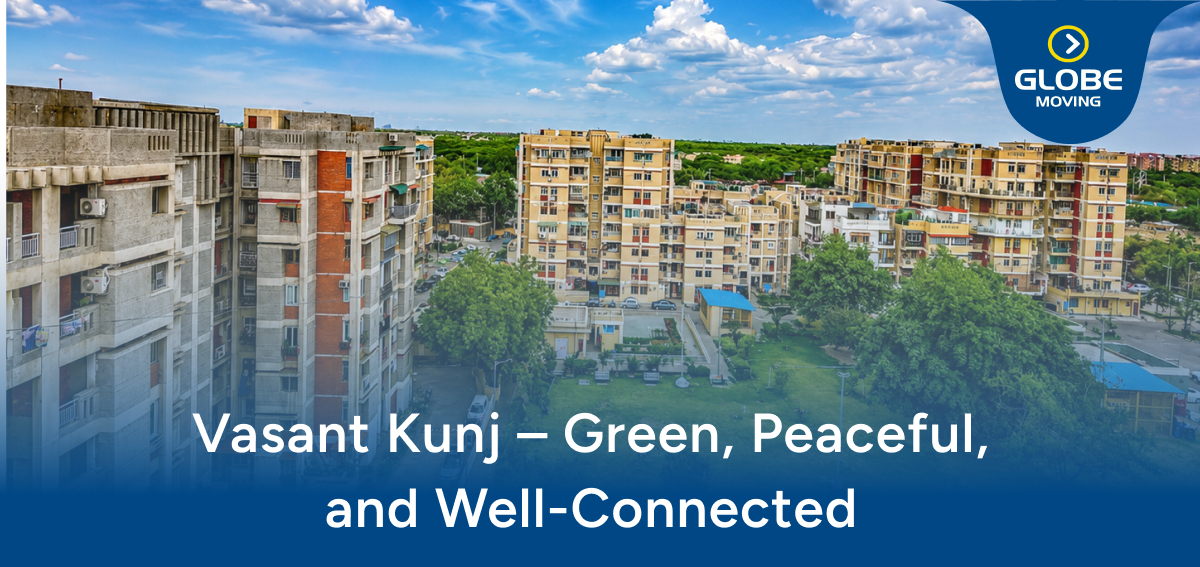
Vasant Kunj strikes a balance that few Delhi neighborhoods manage: greenery, affordability, and proximity to the airport. Its mix of DDA flats, luxury apartments, and independent floors draws a wide range of residents from young professionals to established families. This makes it one of the best places to live in Delhi with family.
- Connectivity: Chhattarpur Metro Station (3.9 km); proximity to IGI Airport
- Schools: Delhi Public School, Vasant Valley School
- Hospitals: Fortis Hospital, Rockland Hospital
- Restaurants & Cafes: Greedy’s Cafe; Vasant Square Mall (1 km)
- Avg. Property Rate: ₹20,000/sq. ft
- Avg. Monthly Rent: ₹5,000 – ₹1,50,000
| Pros | Cons |
|---|---|
| No major traffic jams; close to the airport | Markets are farther away; fewer parks |
| Green surroundings with reputed institutions | High pollution levels in winter months |
Area 3: Dwarka – Affordable and Well-Planned
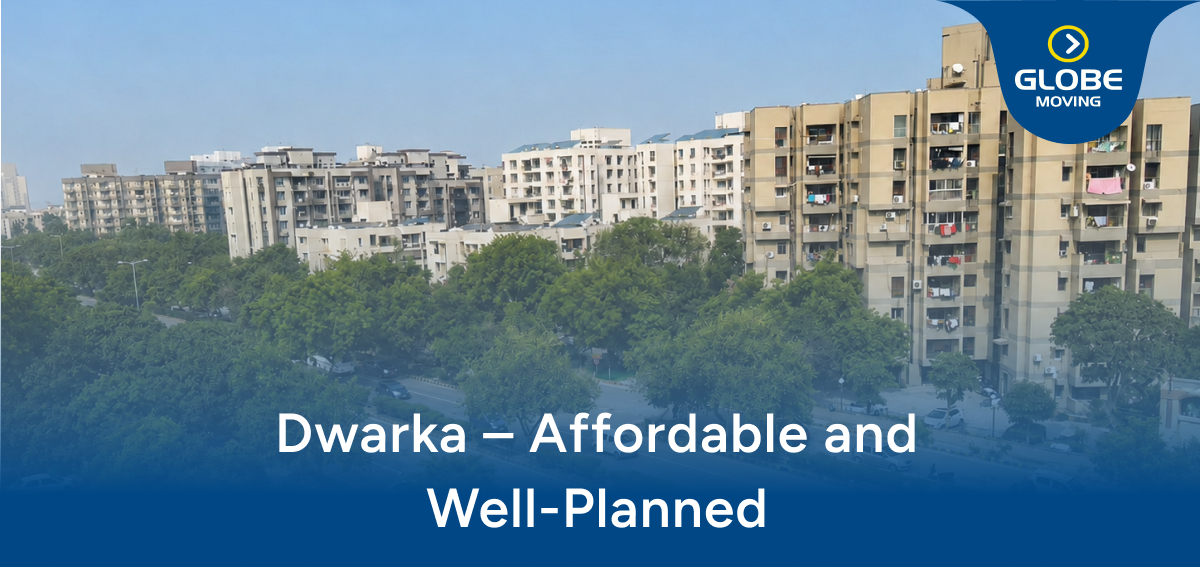
Dwarka is widely considered one of the largest planned residential townships in Asia. Its wide roads, dedicated metro lines, and strong social infrastructure make it one of the best cities in Delhi for middle-class families and working professionals. Direct metro access to both Noida and Gurgaon adds major commuting convenience.
- Connectivity: Dwarka Sector 11 Metro Station (950 m); close to IGI Airport (T1 and T3 within 30 minutes)
- Schools: Mount Carmel School, Delhi International School
- Hospitals: Venkateshwar Hospital, Medeor Hospital
- Restaurants & Cafés: Hansikdang Korean Foods, Jolly Brown; Vardhaman Mall, City Centre
- Avg. Property Rate: ₹14,800/sq. ft
- Avg. Monthly Rent: ₹5,500 – ₹1,10,000
| Pros | Cons |
|---|---|
| Affordable housing with good infrastructure | Waterlogging issues during monsoon |
| Excellent metro connectivity to multiple hubs | Air quality concerns during winter |
Area 4: Saket – Urban Comfort Meets Modern Amenities
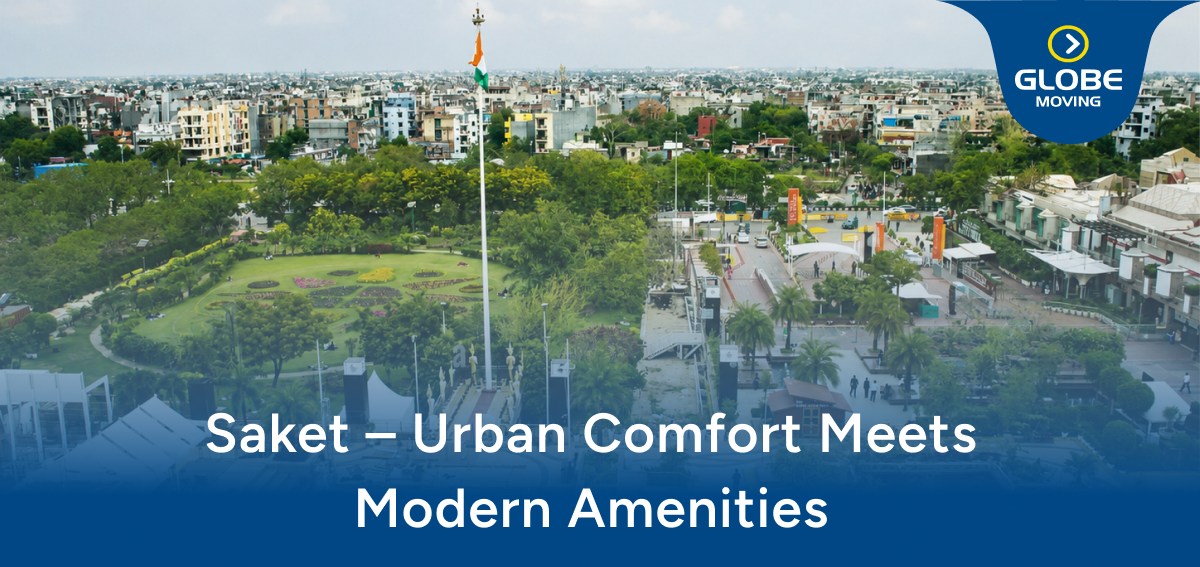
Saket offers something rare in South Delhi: a blend of residential calm and commercial energy in one ZIP code. Malls like DLF South Court and Select City Walk sit minutes from reputed hospitals and schools, making it a top pick for the Delhi best place to live conversation.
- Connectivity: Saket Metro Station (950 m); Saket Bus Terminal (850 m); Yellow Line access
- Schools: Amity International, Apeejay School, Gyan Bharati School
- Hospitals: Max Super Specialty, Saket City Hospital
- Restaurants & Cafés: Lebanese Point, Chaayos Café, Vaw Café
- Avg. Property Rate: ₹19,100/sq. ft
- Avg. Monthly Rent: ₹8,500 – ₹1,40,000
| Pros | Cons |
|---|---|
| Close to major malls and office corridors | Congested during peak hours |
| Strong public transport options | Parking can be challenging |
Area 5: Hauz Khas – Historic Charm with a Modern Vibe

Hauz Khas is where medieval architecture meets weekend brunches and rooftop bars. The Hauz Khas Village, Deer Park, and the 13th-century fort attract creatives, young professionals, and artists. Property rates here are among the highest in the city, reflecting the premium attached to this lifestyle-driven neighborhood.
- Connectivity: R.K. Puram Metro Station (3 km); Padmini Enclave Bus Stop (150 m)
- Schools: Laxman Public School, Evergreen Public School, Green Fields School
- Hospitals: Sitaram Bhartia Institute, Fortis Escorts
- Restaurants & Cafés: Hauz Khas Social, Smoke House Deli, Amour Patio Café, Elma’s Bakery
- Avg. Property Rate: ₹33,150/sq. ft
- Avg. Monthly Rent: ₹10,000 – ₹8,00,000
| Pros | Cons |
|---|---|
| Vibrant arts scene and exceptional nightlife | Noisy on weekends; limited parking |
| Close to AIIMS and major corporate offices | Uneven roads in some lanes |
Area 6: Rohini – Budget-Friendly and Family-Oriented
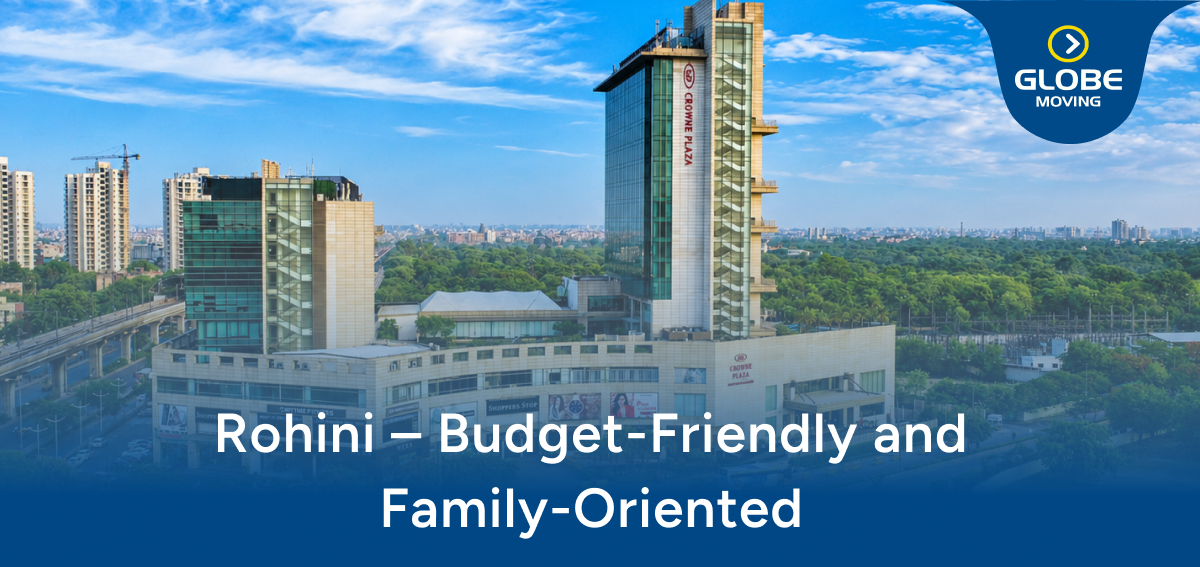
Northwestern Delhi’s Rohini is a textbook example of a well-structured planned township. Japanese Park, ample green spaces, and affordable housing make it particularly popular with government employees and middle-class families. For those looking for Delhi places to live on a tighter budget without sacrificing amenities, Rohini delivers.
- Connectivity: Rohini West Metro Station (4.9 km); Rithala Metro Station (3.9 km)
- Schools: Ryan International, Delhi Public School, GD Goenka Public School
- Hospitals: Dr. Baba Saheb Ambedkar Hospital, Jaipur Golden Hospital
- Markets & Parks: V4M SuperMarket, Japanese Park, Adventure Island
- Avg. Property Rate: ₹11,000/sq. ft
- Avg. Monthly Rent: ₹2,500 – ₹1,00,000
| Pros | Cons |
|---|---|
| Highly affordable; family-friendly locality | Distant from Central Delhi |
| Multiple metro lines and parks nearby | Water supply issues in some sectors |
Area 7: Mayur Vihar – Safe, Affordable, and Accessible
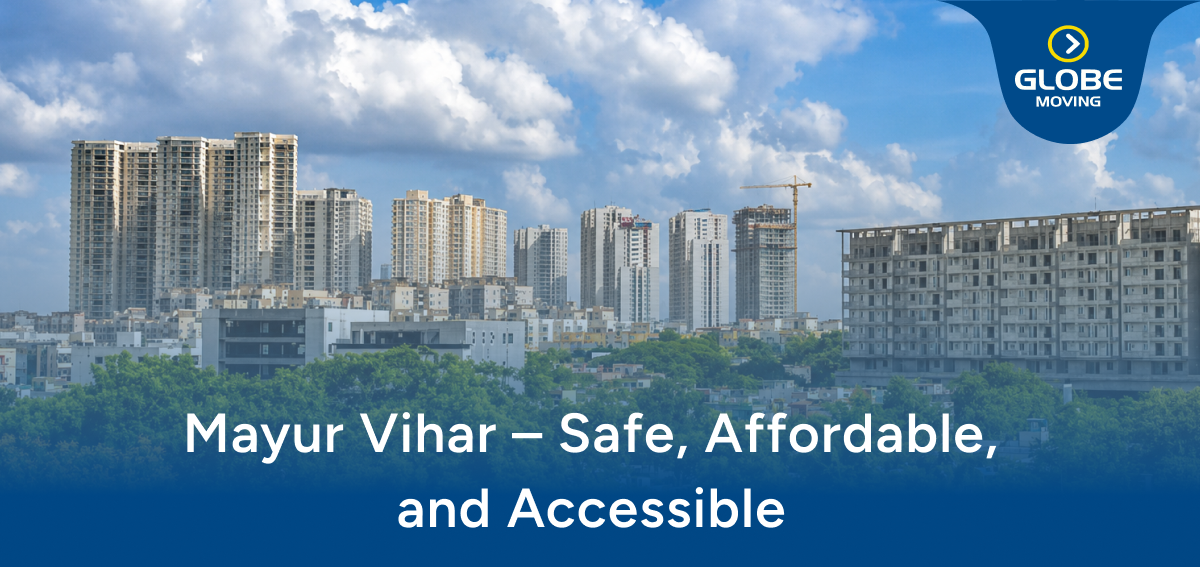
Mayur Vihar sits at the intersection of Delhi and Noida, offering residents some of the best of both cities. Its proximity to Akshardham Temple, Sanjay Lake Park, and the DND flyway makes it a calm and practical choice. For working professionals commuting to Noida or East Delhi, this is one of the delhi best place to live options at a mid-range budget.
- Connectivity: Mayur Vihar-1 Metro Station (750 m); well-connected ring road
- Schools: ASN International, Ahlcon Public School, Bharti Public School
- Hospitals: Max Hospital, Jeevan Anmol Hospital
- Local Markets: Acharya Niketan Market (290 m); Sanjay Lake Park (3.2 km)
- Avg. Property Rate: ₹14,150/sq. ft
- Avg. Monthly Rent: ₹7,000 – ₹60,000
| Pros | Cons |
|---|---|
| Excellent connectivity to Noida and ring roads | Limited nightlife options |
| Safe neighborhood with good schools and markets | Some areas show signs of poor upkeep |
Area 8: Karol Bagh – Cultural and Commercial Hub

Karol Bagh is Central Delhi’s most vibrant residential-commercial blend. Its wholesale markets, well-known schools, and strong metro access make it one of the busiest and most practical places to live in Delhi. Upcoming projects like Unity The Amaryllis signal continued real estate interest in this area.
- Connectivity: Karol Bagh Metro Station (1.6 km); Rajendra Place Metro Station (1.9 km); multiple bus routes
- Schools: Dev Samaj Modern School, RPVV School
- Hospitals: Jeewan Mala, BLK Super Specialty, Apollo Spectra
- Restaurants & Cafes: Sandoz Restaurant, Guliyano Café, Woodland Café
- Avg. Property Rate: ₹22,300/sq. ft
- Avg. Monthly Rent: ₹9,000 – ₹1,30,000
| Pros | Cons |
|---|---|
| Central location with exceptional metro access | High congestion and heavy footfall |
| Friendly, well-maintained community | Lack of green spaces |
Area 9: Connaught Place – Heart of Delhi

Connaught Place (CP) is Delhi’s commercial nucleus and for those who want to live within it, the experience is unmatched. With Rajiv Chowk Metro Station just 260 m away and landmarks like Central Park, Janpath Market, and India Gate nearby, CP is a premium address for professionals and business owners. It carries the city’s highest average property rate at ₹38,889/sq. ft.
- Connectivity: Rajiv Chowk Metro Station (260 m); Shivaji Stadium Metro Station (750 m)
- Schools: Salwan Public School, St. Columba’s School, Lady Irwin School
- Hospitals: RML Hospital, BLK Hospital
- Restaurants & Cafés: Lord of the Drinks, Café High 5; Janpath Market and Central Park
- Avg. Property Rate: ₹38,889/sq. ft
- Avg. Monthly Rent: ₹8,000 – ₹1,70,000
| Pros | Cons |
|---|---|
| Unmatched centrality; near parks and culture | Very limited parking availability |
| Vibrant commercial energy and heritage value | Noise levels and street congestion |
Area 10: New Friends Colony – Upscale and Quiet
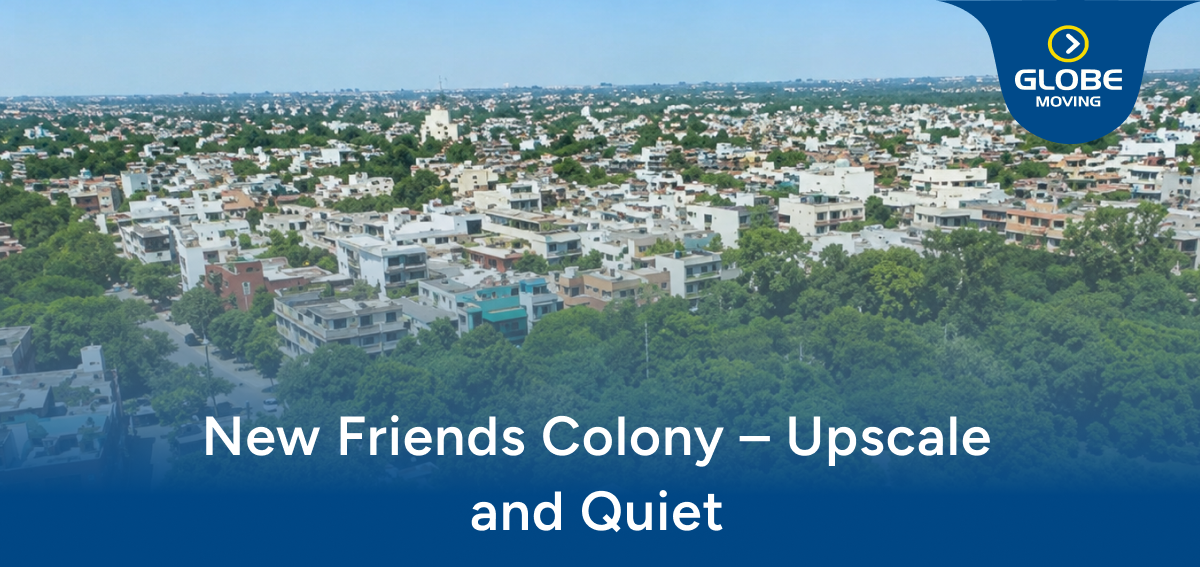
New Friends Colony (NFC) is South Delhi’s quiet, tree-lined alternative to the busier premium neighborhoods. Popular with NRIs, diplomats, and high-income families, NFC offers a slower pace without sacrificing access to quality schools, hospitals, and dining.
- Connectivity: Ashram Metro Station (1.8 km); bus connectivity across South Delhi
- Schools: The Ardee School, Cambridge School, Bluebells School International
- Hospitals: Holy Family Hospital, Apollo Hospital
- Cafés & Community: Blue Tokai Coffee Roasters, Chargrill Pizza Cafe; NFC Community Centre
- Avg. Property Rate: ₹19,500/sq. ft
- Avg. Monthly Rent: ₹15,000 – ₹4,50,000
| Pros | Cons |
|---|---|
| Premium neighborhood with quality education and healthcare | Frequent power outages |
| Well-serviced by metro and buses | Cab availability can be inconsistent |
Best Places to Live in Delhi for Families
For families prioritizing schools, safety, and green spaces, these areas consistently rank highest:
| Locality | Key Highlight | Avg. Rent (2/3 BHK) | Property Rate (per sq. ft.) |
|---|---|---|---|
| Greater Kailash | Safe environment; premium schools and hospitals | ₹40,000 – ₹4,00,000 | ₹27,950 |
| Vasant Kunj | Green and quiet; reputed institutions | ₹16,000 – ₹1,40,000 | ₹20,000 |
| Dwarka | Affordable; well-planned with excellent public amenities | ₹7,000 – ₹70,000 | ₹14,800 |
| Rohini | Calm; parks, schools, and hospitals close by | ₹4,000 – ₹75,000 | ₹11,000 |
| New Friends Colony | Quiet, upscale; top-tier schools and healthcare | ₹30,000 – ₹3,00,000 | ₹19,500 |
Best Places to Live in Delhi for Working Professionals
Professionals need proximity to offices, fast metro access, and a reliable commute. These neighborhoods deliver:
| Locality | Key Highlight | Avg. Rent (1/2 BHK) | Property Rate (per sq. ft.) |
|---|---|---|---|
| Saket | Yellow Line metro; near corporate offices | ₹7,500 – ₹68,000 | ₹19,100 |
| Dwarka | Metro access to Gurgaon and Noidan | ₹3,500 – ₹45,000 | ₹14,800 |
| Connaught Place | Central Delhi hub; Rajiv Chowk metro | ₹8,000 – ₹1,70,000 | ₹38,889 |
| Mayur Vihar | Noida corridor; ring road access | ₹7,000 – ₹45,000 | ₹14,150 |
| Hauz Khas | Near AIIMS and Cyber City; creative hub | ₹10,000 – ₹80,000 | ₹33,150 |
Affordable Places to Live in Delhi
Budget-conscious residents don’t need to compromise on basics. These localities offer value without sacrificing connectivity:
| Locality | Key Highlight | Avg. Rent (1 RK/1 BHK) | Property Rate (per sq. ft.) |
|---|---|---|---|
| Rohini | Affordable; metro and park access | ₹2,500 – ₹25,000 | ₹11,000 |
| Mayur Vihar | Mid-range with solid Noida connectivity | ₹7,000 – ₹30,000 | ₹14,150 |
| Dwarka | Well-planned; budget-friendly options | ₹5,500 – ₹35,000 | ₹14,800 |
How to Choose the Best Area to Live in Delhi
The right neighborhood depends entirely on your priorities. Here’s a practical decision framework:
- Define your commute first. Identify where you work, then map out areas within 30–45 minutes by metro. This single filter eliminates most mismatches.
- Set a realistic budget. Property rates in Delhi range from ₹11,000/sq. ft in Rohini to nearly ₹39,000/sq. ft in Connaught Place. Know your number before shortlisting.
- Check social infrastructure. Schools, hospitals, and markets within 2–3 km significantly improve daily quality of life, especially for families.
- Evaluate safety. Greater Kailash, Saket, and Defence Colony consistently rank among Delhi’s safer residential zones.
- Match the neighborhood vibe. Hauz Khas suits creative professionals; New Friends Colony suits those who prioritize quiet; Karol Bagh fits those who want everything within reach.
Make Your Move with Confidence
Delhi rewards those who research before relocating. The best area in Delhi for one person may be the wrong fit for another, but the 10 neighborhoods covered here represent the city’s strongest options across budget tiers, lifestyles, and family needs.
Start with your non-negotiables: commute, budget, schools, or neighborhood character. Then use this guide to narrow your shortlist. Whether you’re drawn to the premium calm of New Friends Colony or the planned affordability of Dwarka, Delhi has a place for you.
Related Links
Healthcare Tourism in India
Long Distance Moving Tips for Stress-Free Relocation
International schools in Mumbai
FAQ’s
1. What is the best area to live in Delhi overall?
There’s no single answer, as the best area in Delhi depends on individual priorities. Greater Kailash and Vasant Kunj are top picks for families. Saket and Dwarka suit working professionals. For budget-conscious residents, Rohini and Mayur Vihar offer the best value with solid infrastructure.
2. Which are the most affordable places to live in Delhi with good connectivity?
Rohini, Dwarka, and Mayur Vihar are the most affordable options that still offer reliable metro access and established social infrastructure. Property rates in these areas range from ₹11,000 to ₹14,800/sq. ft.
3. What are the best places to live in Delhi for families?
Greater Kailash, Vasant Kunj, Dwarka, Rohini, and New Friends Colony consistently rank as the best places to live in Delhi for families, offering proximity to reputed schools, hospitals, and parks.
4. Is South Delhi the best part of Delhi to live in?
South Delhi dominates premium residential rankings. Areas like Greater Kailash, Hauz Khas, Saket, Vasant Kunj, and New Friends Colony offer high-quality living but at correspondingly higher price points. West and North Delhi offer more affordable alternatives with growing infrastructure.
5. What is the average rent in the best areas of Delhi?
Rents vary significantly. Budget areas like Rohini start from ₹2,500/month for smaller units, while premium locations like Hauz Khas and New Friends Colony can reach ₹4–8 lakh/month for larger properties.
6. Which Delhi neighborhoods are best for working professionals relocating from other cities?
Saket, Dwarka, and Mayur Vihar are the strongest options for working professionals. All three offer strong metro access, affordable-to-mid-range rents, and proximity to major employment corridors in South Delhi, Gurgaon, and Noida.
7. Is Delhi a good city to live in with family?
Delhi is one of the best cities in India to live in with family, particularly in areas like Vasant Kunj, Greater Kailash, and Dwarka. These neighborhoods offer world-class schools, hospitals, green spaces, and strong safety records meeting the core needs of most families.