 FOR ENTERPRISESWorkforce MobilityRelocation support for employees and their families, managed end to end.FIDI-FAIM PLUS · 55+ YEARS · 180+ COUNTRIESFOR FAMILIES AND INDIVIDUALSLocal MovingSame-city home moves, surveyed and packed by one crew.FIDI-FAIM PLUS · 55+ YEARS · 180+ COUNTRIESFOR GLOBAL PARTNERSOrigin ServicesPacking, export documentation and dispatch from India.FIDI-FAIM PLUS · 55+ YEARS · 180+ COUNTRIESRESOURCESBlogs & GuidesPractical advice for planning a move.FIDI-FAIM PLUS · 55+ YEARS · 180+ COUNTRIESABOUT GLOBE MOVINGAbout Globe MovingWho we are and how we work.FIDI-FAIM PLUS · 55+ YEARS · 180+ COUNTRIES
 GUIDES AND TOOLSEverything you need to plan a move.WHO WE AREOne partner. Every move.
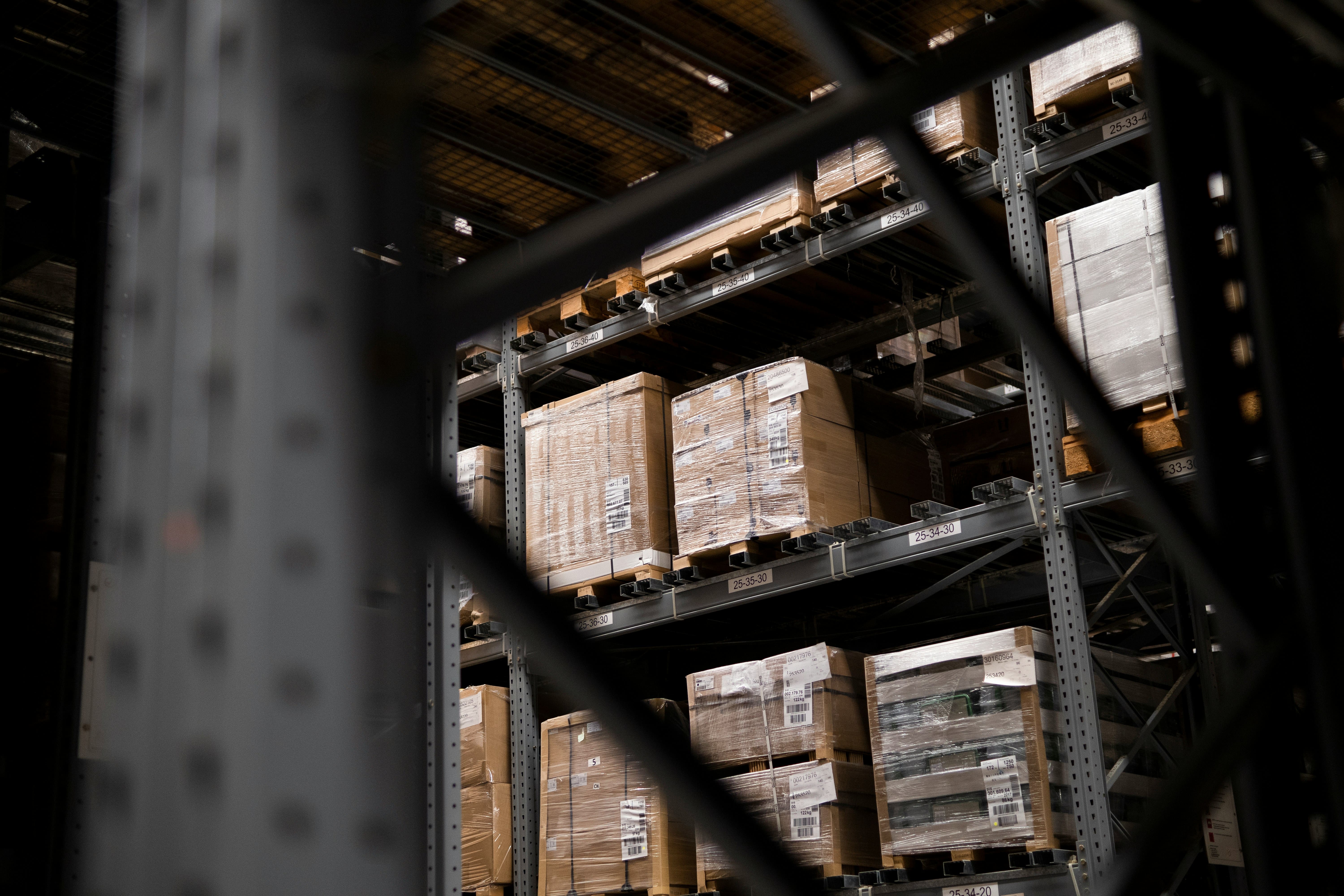
The Complete Guide to Storage Insurance in India
Executive Summary
Storage and transit insurance refers to coverage that protects goods against loss or damage while they are being stored or transported during a move. It involves risk considerations around handling, distance, and unforeseen events. This is most relevant for individuals and businesses relocating valuable assets who need financial protection and clarity on liability during movement and storage.
Why Many People Misunderstand What Their Moving Insurance Actually Covers
Renovating a home, moving to a new city, or temporarily downsizing are all common reasons to store your belongings in a storage facility. It can feel like a big sigh of relief since you finally have space and order again. However, this peace of mind is incomplete without one essential layer of protection: storage insurance.
India’s warehouse storage concept is growing rapidly as more families, corporates, expatriates, and professionals use storage facilities during transitions. While storage solutions offer secure, well-managed storage environments, insurance is a big factor that continues to be the main way to safeguard your belongings from unexpected incidents.
Let’s simplify everything you need to know about storage insurance, transit insurance, fire & burglary insurance, and additional aspects around this, so you can make informed decisions without feeling overwhelmed and getting cheated.
What Storage Insurance Covers
Life is unpredictable and incidents are not uncommon. A warehouse may be secure, but risks like fire, short-circuit, flooding, burglary, or accidental damage can never be fully eliminated. Insurance ensures you don’t lose financially even if something unforeseen happens. And storage is an emotional affair, often containing memories, essentials, or expensive items you’ve collected over years. This makes insurance an emotional as well as financial decision.
Storage insurance in India protects goods stored within a registered warehouse facility against risks such as:
- Fire and smoke damage: Incidents such as electrical fires, short-circuit fires, accidental fires, and smoke-related destruction are covered here.
- Burglary and theft: For any stored goods that are stolen during a confirmed break-in.
- Flooding and water damage: This is particularly relevant during monsoons or in flood-prone cities.
- Natural calamities: Covers damages from earthquakes, cyclones, and other natural disasters.
- Accidental damage: Provides coverage for damages caused due to mishandling by warehouse personnel or unavoidable incidents.
- Pest-related damage (sometimes included): This depends on the policy. It typically covers damages caused by rodents or insects.
Ensure you read the inclusions carefully and understand what applies to your storage facility and selected insurance plan.
Fire & Burglary Insurance
A majority of storage insurance policies center around fire and burglary insurance as this remains the most common high-impact risks in warehouses.
- Fire insurance typically covers damages caused by electrical faults, accidental fires, explosions, and smoke.
- Burglary insurance is relevant only in cases where there is a proven forced entry or break-in.
Transit Insurance vs Storage Insurance
Many people assume that one single insurance covers the entire journey from home to the warehouse and the actual storage inside the warehouse. But these are actually two different policies.
Transit or Marine Insurance
- This protects your goods while they are being packed, transported, redelivered or unpacked.
- It protects against commute-related risks such as accidents, road mishaps, overturning of vehicles, theft during transit, or handling damage.
- It ends when goods reach the warehouse.
- If goods need to be moved back from the warehouse to your residence, one must avail this insurance again.
Storage or Fire and Burglary Insurance
- This insurance gets activated once items are unloaded and stored inside the warehouse facility.
- It provides coverage for risks such as fire, burglary, flooding, natural calamities, and accidental damage inside the warehouse.
Think of it this way: Transit insurance protects the journey; storage insurance protects the stay. Both are important to ensure end-to-end protection.
Comprehensive vs Basic Cover: How Much Protection Do You Really Need?
Insurance policies vary in the depth of protection they offer. Generally, you’ll come across two categories:
- Basic Cover: A basic cover is ideal for budget-conscious storage needs. It usually includes fire, burglary, third-party liability in select cases and natural calamities (this varies slightly based on the insurer).
- Comprehensive Cover: This is recommended for those storing expensive, sentimental, or fragile items. It often includes damages that occur during packing, loading, unloading and unpacking. If you’re moving high value items, electronics, furniture, art, or delicate equipment, a comprehensive plan is always worth the slightly higher premium.
Gadget & Electronics Insurance
Electronics are often the most sensitive and expensive items people store. This includes laptops, printers, TVs, audio systems, cameras, gaming consoles, etc.
Most standard storage insurance policies do not fully cover electronic-specific risks like internal component failure or short-circuit damage. This is where top-up insurance is important.
How Top-Ups Work
A top-up policy extends coverage for a particular category of items. For example, if you are moving a smart TV, two laptops, and a home theatre system, a standard insurance plan will provide cover for fire and burglary. But a gadget/electronics top-up will additionally cover short-circuit, electrical damage, and accidental internal malfunction, making your coverage significantly stronger. This is especially useful if the storage duration is long or the items are high-value.
Declaring the Value of Goods: Why Accuracy Matters
Insurance premiums are calculated based on the Declared Value (DV) of the goods you store. This is essentially the amount you would need to replace the items today. Correct declaration is crucial because:
- Under-declaring may reduce your premium but results in lower compensation when it comes to a claim.
- Over-declaring results in higher premiums unnecessarily.
To get it right, use original bills wherever available. If an item is older, apply a reasonable depreciation. If you are unsure, ask the storage provider or insurer for guidance. Globe Moving often helps clients prepare detailed inventory and valuation lists, making sure the insurance process is much easier.
What is Excess & Deductibles
Insurance terminology can definitely be confusing, so here’s a simplified explanation.
- Excess refers to a fixed amount that the insurer will not pay. You can make a claim only if the loss exceeds this amount. For example, if your excess is ₹2,000 and you experience a loss worth ₹1,500, you cannot file a claim since it is lower than the excess. However, if the damage is ₹10,000, the insurer will deduct the excess and pay ₹8,000. Think of excess as an administrative buffer.
- Deductible reduces the claim amount by a fixed portion because the customer has agreed not to claim for small damages. For example, if you have a deductible of 10% on a ₹20,000 item, the insurer pays ₹18,000. It’s primarily used by people who want lower premiums and aren’t concerned about minor losses.
A deductible is helpful as it discourages small claims and reduces the premium amount. It also indicates that claims are meant only for meaningful losses.
What Storage Insurance Does Not Cover
It’s just as important to understand exclusions as it is to understand inclusions. Common exclusions include:
- Wear and tear or ageing damage: This includes fabric fading, wood discoloration, rusting due to ageing.
- Damage due to poor packing: DIY and Fragile items packed incorrectly may not be eligible.
- Inherent defects: Electronics that stop working on their own (internal circuit failure) without an external cause.
- Intentional damage or negligence: Claims arising from improper handling by the owner.
- Improper valuation: Undervaluing items may lead to reduced payouts.
Always ask for the exclusion list before purchasing the policy. A five-minute review today can save months of stress later.
The Layman’s Guide: Transit, Storage & Burglary Insurance
To make it easier, here’s a quick-reference breakdown:
Transit Insurance
- Covers: Damage during transportation.
- Protects against: Accidents, mishandling, theft en route.
- When it applies: Between your home and warehouse.
- Why you need it: Roads are unpredictable and accidents can happen.
Storage Insurance
- Covers: Goods stored inside a warehouse.
- Protects against: Destruction from fire, burglary, flooding, calamities, accidental damage.
- When it applies: After goods are placed inside the warehouse.
- Why you need it: To protect against unforeseen damages during storage.
Together, these ensure full protection from the moment goods leave your home until the moment they are safely returned.
Tips to Choose the Right Storage Insurance Policy
- Choose a reputable storage provider with proper licenses, 24×7 security, CCTV, fire systems, and controlled access.
- Opt for both transit and storage insurance if your goods are being transported to a warehouse.
- Disclose item values honestly. This ensures fair compensation.
- Add gadget/electronic top-ups for high-value tech items.
- Read exclusions carefully, especially around moisture damage and inherent defects.
- Store only properly packed goods, as poor packing may invalidate claims.
Protect Your Belongings
Storage is more than logistics. It’s trust, sentiment, and comfort. Whether you’re going abroad, renovating, or navigating a life transition, your belongings deserve the highest protection possible.
Insurance might feel optional, but when something unexpected happens, it becomes invaluable. Globe Moving, a trusted storage partner can guide you through the process, help assess your needs, and ensure your belongings remain safe, documented, and fully protected.
When life is changing, your peace of mind shouldn’t. Insurance makes sure it doesn’t.
Credits:
Image Credits : Photo by [Arum Visuals] on Unsplash
Related Links
Understanding Insurance Value Forms: Protecting Your Items the Right Way
Moving Insurance: Should You Handle It or Use Your Mover’s?
Lesser know aspects of Transit & Storage Insurance Covers