
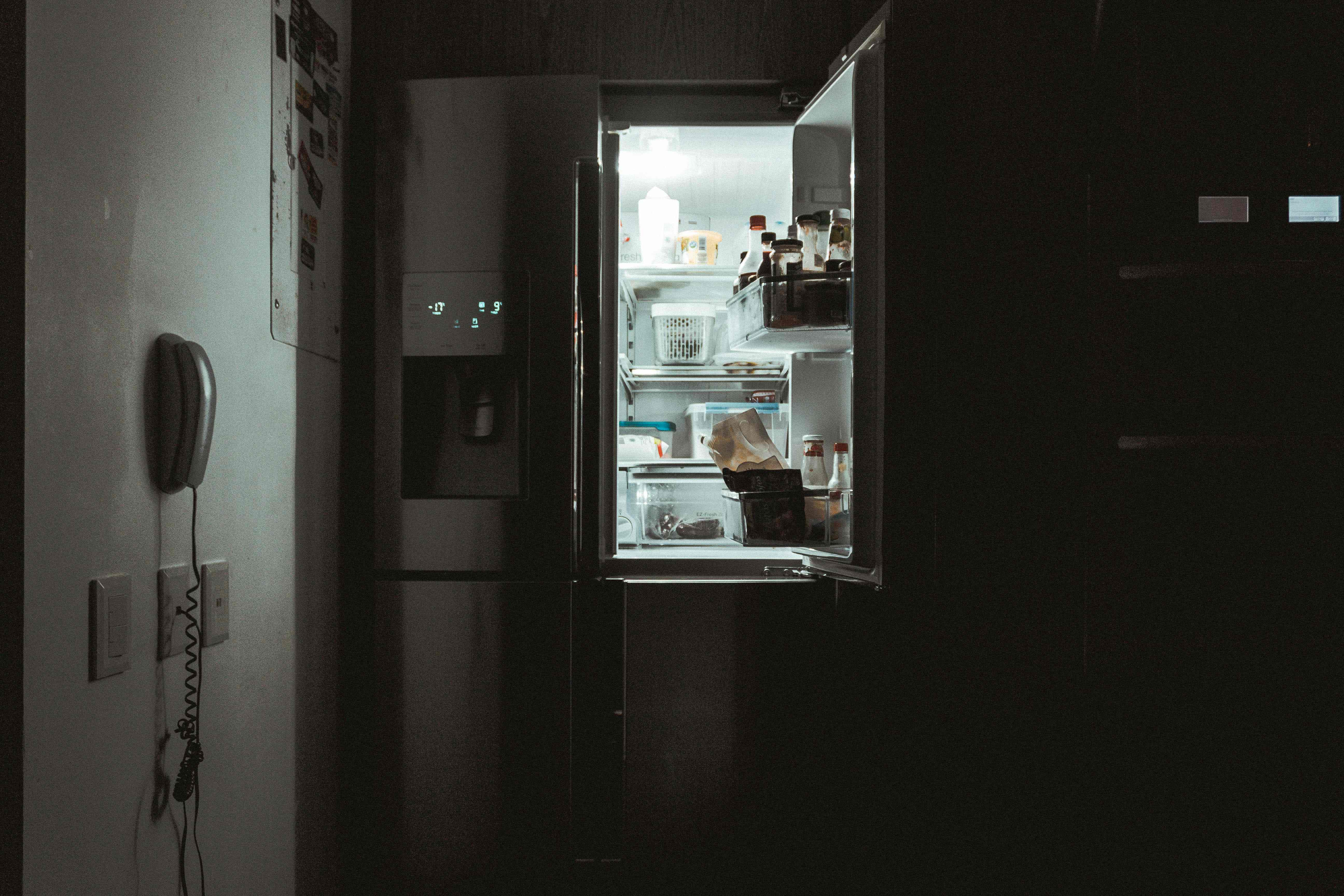
How to Pack a Refrigerator
Executive Summary
Moving a refrigerator safely is a handling and transport process focused on protecting a large household appliance with sensitive mechanical and cooling components. Refrigerators contain compressors, refrigerant systems, and internal structures that can be damaged by improper positioning or movement. The information is most relevant for homeowners, tenants, and moving professionals responsible for relocating kitchen appliances during residential or office moves.
Why Refrigerators Require Special Handling to Prevent Mechanical and Cooling System Damage
For many professionals, the kitchen is the heart of the home, and the refrigerator is its most vital organ. It represents a significant financial investment and is essential for maintaining your daily routine. Moving this appliance is one of the most challenging aspects of relocation due to its size, weight, and the complex machinery hidden within.
A refrigerator isn't just a heavy box; it's a delicate ecosystem of cooling coils, compressors, and fluids. Mishandling it can lead to leaks, mechanical failure, or a complete breakdown—a headache no busy professional has time for when settling into a new city apartment.
This guide provides a professional, step-by-step method for packing your refrigerator. By following these instructions, you ensure your appliance is clean, dry, and mechanically secure, ready to power up in your new home without issue.
Pre-Packing Preparation: The 24-Hour Rule
The Step: Empty contents and defrost the fridge at least 24 hours before packing.
Your packing process begins a full day before the movers arrive. You cannot move a running or cold fridge. Start by consuming or discarding all perishable food. Once empty, unplug the unit to let it defrost completely. This 24-hour window allows the ice in the freezer to melt and the internal components to return to room temperature. If you skip this, leaking water can damage your other belongings and the fridge itself during transit.
Clean and Drain
The Step: Empty the drainage pan underneath and disconnect and drain out the automatic ice maker. Clean the fridge completely including walls, drawers, shelves & freezer and ensure that there is no water or food particles left behind.
Once defrosted, deep cleaning is mandatory. Food particles left behind can rot in a closed, warm fridge, creating odors that are nearly impossible to remove.
- Drainage: Locate and empty the drainage pan at the bottom. If you have an ice maker or water dispenser, disconnect the water line and drain all remaining water to prevent freezing or leaking.
- Cleaning: Wipe down every surface with a mild cleaner. Dry everything thoroughly with a towel. Moisture is the enemy here; the interior must be bone-dry.
Internal Stabilization
The Step: Pack the shelves with corrugated rolls (especially if they are glass) and tape them together. Secure drawers & doors from opening during transit.
Loose shelves and drawers act as projectiles inside a moving fridge.
- Shelves: It is safest to remove glass shelves, wrap them in corrugated cardboard, and pack them in a separate box. If they must stay inside, tape them securely in place.
- Drawers: Use painter's tape to secure vegetable crispers and deli drawers so they don't slide out and crack.
The Step: Some refrigerators have “levelling rollers.” Check your manual to see whether you should raise or lower them for the move.
Consult your manual regarding the leveling feet or rollers. Often, you need to raise them so the weight of the fridge rests on the wheels (for rolling) or lower them so the fridge sits flat on the floor (for stability inside the truck).
Securing the Exterior
The Step: Tape down all other loose parts both on the inside and the outside like electrical cord.
Don't let the power cord dangle. It poses a tripping hazard and can be damaged if rolled over. Coil the cord neatly and tape it securely to the back or side of the unit. Secure any other loose external parts similarly.
The Step: For Refrigerators with lock/keys, lock the fridge and place the key in an envelope or plastic bag and tie it to the handle of the door.
If your unit has a locking mechanism, use it. This adds an extra layer of security for the doors. Keep the key attached to the handle so it doesn't get lost in the shuffle of moving boxes.
The Step: Refrigerators should be moved empty. Do not fill it with clothes or linen.
Resist the temptation to use the fridge as a "shipping container." It is not designed to bear weight on its internal floor or shelves during movement. Filling it with clothes or linens adds unnecessary weight to an already heavy item and can damage the interior lining.
Moisture and Scratch Protection
The Step: Place silica gel inside the refrigerator to absorb moisture.
This is a critical step for long voyages or storage. Even a clean fridge can retain humidity. Place large packets of silica gel inside the main compartment and freezer. They will absorb any residual moisture, preventing the growth of mold and mildew that thrives in dark, damp environments.
The Step: Wrap with polythene to protect from dust/scratches.
Wrap the entire exterior in a layer of polythene sheeting. This protects the finish from dust, greasy handprints, and minor surface scratches during the move.
Padding and Final Security
The Step: Wrap with 2 ply corrugated rolls or 3 ply corrugated sheets to provide padding.
To protect against dents and impacts, wrap the fridge in corrugated cardboard. Use 2-ply rolls for standard protection or 3-ply sheets for high-end stainless steel models that dent easily. Secure this padding with strong tape.
The Step: Secure with twine or straps for a heavy fridge.
Once padded, use strong twine or moving straps to secure the cardboard and keep the doors shut tight. These straps also provide safer grip points for the movers.
Labeling and Handling
The Step: Mark package with fragile/glass/handle with care stickers. Mark owner name, package number, contents, room & destination on the package.
Clear communication prevents accidents. Label the outer wrapping with "Handle with Care" stickers. Use a marker to write:
- Owner Name
- Contents (e.g., "Kitchen Refrigerator")
- Destination (e.g., "Kitchen")
Critical Handling Rule
The Note: FRIDGE SHOULD ALWAYS BE MOVED VERTICALLY WHEN LOADING/UNLOADING.
This is the golden rule of moving refrigerators. Never lay a fridge on its side or back. Doing so causes the oil from the compressor to flow into the cooling lines. If the fridge is turned on while the oil is in the lines, the compressor can fail permanently. The unit must remain upright at all times.
Final Recommendation: Crating
The Step: Crating is strongly advised.
For high-value, built-in, or double-door refrigerators moving long distances, custom crating is the best insurance. A wooden crate provides a rigid shell that protects the appliance from crushing forces in a shipping container, offering peace of mind for your most expensive kitchen asset.
By following this disciplined approach, you protect your refrigerator from the inside out. A little preparation now ensures that when you arrive at your new home, your only concern will be what to stock on the shelves.
Photo by [nrd] on [Unsplash]
Related Links
How to Pack an Air Conditioner
How to Pack a Washing Machine / Dryer
How to Pack Mirrors & Glass