 FOR ENTERPRISESWorkforce MobilityRelocation support for employees and their families, managed end to end.FIDI-FAIM PLUS · 55+ YEARS · 180+ COUNTRIESFOR FAMILIES AND INDIVIDUALSLocal MovingSame-city home moves, surveyed and packed by one crew.FIDI-FAIM PLUS · 55+ YEARS · 180+ COUNTRIESFOR GLOBAL PARTNERSOrigin ServicesPacking, export documentation and dispatch from India.FIDI-FAIM PLUS · 55+ YEARS · 180+ COUNTRIESRESOURCESBlogs & GuidesPractical advice for planning a move.FIDI-FAIM PLUS · 55+ YEARS · 180+ COUNTRIESABOUT GLOBE MOVINGAbout Globe MovingWho we are and how we work.FIDI-FAIM PLUS · 55+ YEARS · 180+ COUNTRIES
 GUIDES AND TOOLSEverything you need to plan a move.WHO WE AREOne partner. Every move.
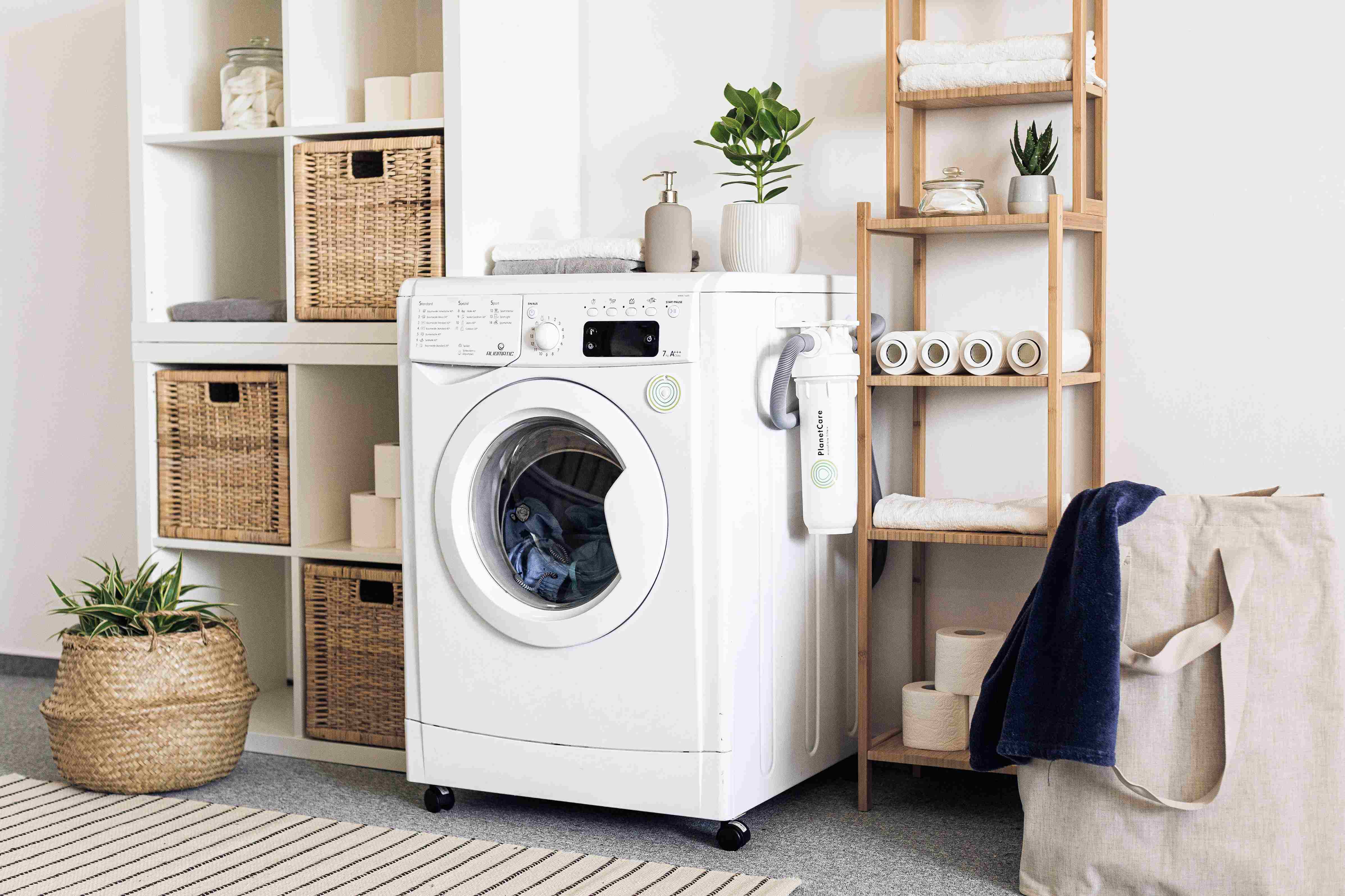
How to Pack a Washing Machine / Dryer
Executive Summary
Packing a washing machine and dryer for relocation is an appliance-handling process designed to protect mechanical components, electrical connections, and water systems during transport. These appliances contain internal drums, hoses, and motors that can shift or sustain damage if not properly prepared. The information is most relevant for homeowners, tenants, and moving professionals responsible for relocating laundry appliances during household moves.
Why Laundry Appliances Are Vulnerable to Internal Damage During Relocation
Moving large appliances can feel like one of the most daunting parts of any relocation. For busy professionals, the process needs to be as efficient as possible. Your washing machine and dryer are heavy, bulky, and contain sensitive mechanical parts that can be easily damaged. A mistake during packing can lead to costly repairs or the need for a complete replacement upon arrival.
Properly preparing and packing these essential household machines is not just about logistics; it’s about protecting a significant investment. An incorrectly moved washing machine can suffer from drum damage, while both appliances are susceptible to dents, scratches, and internal issues if not handled with care.
This guide provides a professional, step-by-step process for packing your washing machine and dryer. By following these instructions, you can ensure your laundry appliances arrive at your new home safely, ready to be installed and used.
Pre-Packing Preparation: Drain and Clean
Before you begin the packing process, a few preliminary steps are essential for a clean and safe move.
The Step: Disconnect cords and drain out the water. Clean the washing machine/dryer completely.
First, unplug the appliances from the wall. For the washing machine, turn off the water supply and disconnect the hot and cold water hoses. Have a bucket ready to catch any residual water. Run a final drain and spin cycle to remove as much water as possible from the machine. For the dryer, disconnect the exhaust vent.
Once disconnected, thoroughly clean both the interior and exterior of the machines. Remove lint from the dryer's filter and vent. A clean machine prevents mold, mildew, and unpleasant odors from developing during transit, especially if it will be stored for a period.
Step-by-Step Packing Guide for Your Appliances
Follow these steps to secure your washing machine and dryer for a damage-free move.
1. Secure the Drum
The Step: Bolt the drums & provide padding to ensure that there is no movement of the drums while in transit.
This is arguably the most critical step for a washing machine. The drum (or tub) is suspended within the machine and can be severely damaged if it moves freely during transit. To prevent this, you must install shipping bolts (also known as transit bolts). These are metal rods that immobilize the drum. If you saved the original bolts that came with your machine, insert them now. If not, you can often order a new set from the manufacturer.
For top-loading machines, you can also add padding like towels or corrugated cardboard between the tub and the machine's outer casing to further restrict movement.
2. Secure All Loose Parts
The Step: Tape down all other loose parts both on the inside and the outside, like the electrical cord. Secure doors from opening during transit.
Any part that can move or swing open is a liability. Securely tape the electrical cords to the back of each unit. Use painter's tape or moving straps to keep the washer and dryer doors firmly shut. This prevents the doors from swinging open and getting damaged or causing injury to the movers.
3. Protect Against Moisture (for Storage/Shipping)
The Step: Place silica gel inside to absorb moisture.
Even after draining, some residual moisture can remain inside a washing machine. During a long voyage or extended storage, this moisture can lead to mold and a musty smell. Placing a few large silica gel packets inside the drum of the washer will absorb this humidity, keeping the interior dry and fresh.
4. Wrap for Surface Protection
The Step: Wrap with polythene to protect from dust/scratches.
Before adding padding, wrap the entire appliance in a layer of polythene sheeting or large plastic wrap. This initial layer serves as a barrier against dust, dirt, and moisture, and provides the first line of defense against surface scratches and scuffs.
5. Add a Protective Padding Layer
The Step: Wrap with 2-ply corrugated rolls or 3-ply corrugated sheets to provide padding.
With the machine protected from dust, it's time to cushion it against impact. Wrap the entire unit in 2-ply corrugated cardboard rolls or cover it with 3-ply sheets. This layer will absorb the shock from bumps and prevent dents that can easily occur in the tight spaces of a moving truck.
6. Reinforce for Handling
The Step: Secure with twine or straps for a heavy washing machine.
Once padded, use strong twine or moving straps to secure the cardboard in place. This not only holds the protective layers together but also gives movers additional grip points, making it safer and easier to lift and carry these heavy items.
7. Label for Careful Handling and Placement
The Step: Mark package with fragile/glass/handle with care stickers (if required). Mark owner name, package number, contents, room & destination on the package.
Even though appliances are robust, their internal mechanisms are not. Affix "Handle with Care" and "This Side Up" stickers to the packaging. Use a thick marker to clearly label the wrapped appliance with:
- Owner Name
- Contents (e.g., "Washing Machine")
- Destination Room ("Laundry Room" or "Basement")
Final Recommendation: Consider Crating
The Step: Crating is strongly advised.
For international moves, long-distance shipping, or high-value appliances, crating is the best way to guarantee protection. A custom-built wooden crate provides a rigid shell that shields your washer and dryer from being crushed or sustaining major impact in a shipping container. It offers the ultimate peace of mind for an essential and expensive home appliance.
By investing a little time to pack your washing machine and dryer correctly, you are safeguarding them for a smooth transition. This methodical approach minimizes risk and ensures that on unpacking day, you can set up your laundry room and get back to your routine without any costly surprises.
Photo by [PlanetCare] on [Unsplash]
Related Links
How to Pack an Air Conditioner
How to Pack Your Music System and Home Theatre
How to Pack Cupboards, Chest of Drawers, and Similar Furniture