
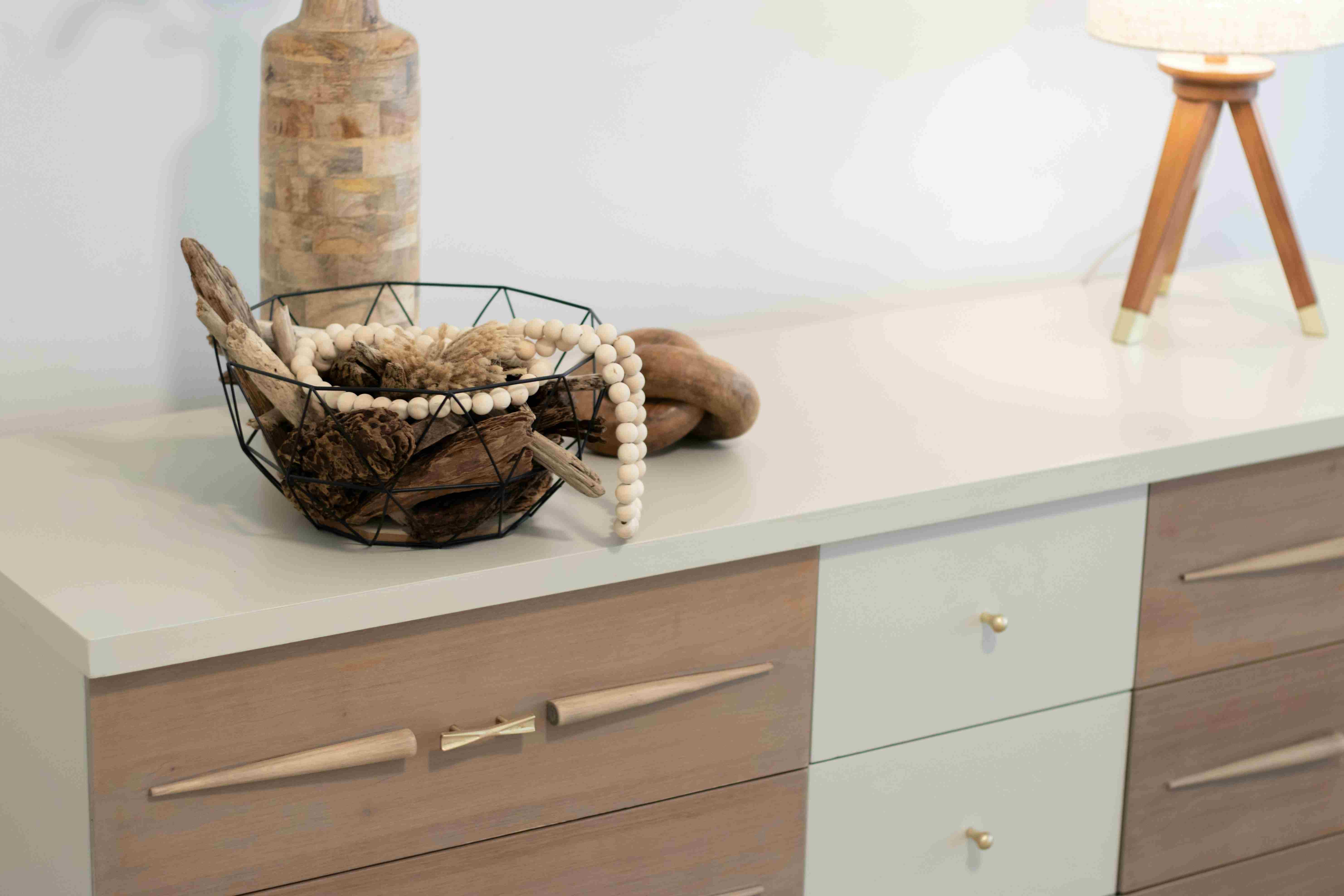
How to Pack Cupboards, Chest of Drawers, and Similar Furniture
Executive Summary
Packing cupboards and chests of drawers for relocation is a furniture-handling process focused on protecting structural components, drawers, and surfaces during transport. These items are large, heavy, and contain moving parts that can shift, loosen, or sustain damage when handled improperly. The information is most relevant for individuals, households, and moving professionals responsible for preparing storage furniture for safe transportation.
Why Large Storage Furniture Is Vulnerable to Hidden Damage During Moving and Handling
Moving large, heavy furniture like cupboards, wardrobes, and chests of drawers presents a unique set of challenges. For busy professionals, time is precious, and the thought of maneuvering these bulky items through tight city apartment hallways can be overwhelming. Beyond the sheer weight, these pieces often have delicate finishes, intricate hardware, and moving parts that are susceptible to damage.
A poorly packed cupboard can arrive with a scratched surface, a broken leg, or a drawer that no longer closes properly. The key to a successful move is not just brute force, but careful preparation. Protecting these foundational pieces of your home ensures they arrive ready for immediate use, saving you from the frustration and expense of post-move repairs.
This guide provides a straightforward, professional method for packing your case goods furniture. By following these steps, you can protect your investment and ensure these essential items make it to your new home in perfect condition.
The First and Most Important Step: Empty Everything
The Step: Empty contents.
Before you do anything else, you must completely empty the furniture. It’s tempting to think you can save time by leaving clothes in a dresser or linens in a cupboard, but this is a critical mistake. The added weight makes the furniture exponentially harder and more dangerous to move. It also puts immense stress on the joints and frame of the piece, which can cause it to warp or break during transit. Empty every drawer and every shelf.
A Step-by-Step Guide to Packing Your Furniture
Once your furniture is empty, follow these professional steps to prepare it for the move.
1. Dismantle When Possible
The Step: Dismantle furniture if dismantling is possible and if easy. Pack dismantled components separately.
Many modern furniture pieces are designed to be assembled and disassembled. If your cupboard or wardrobe can be easily taken apart, do so. This makes moving large items through narrow spaces significantly easier. Pack each component separately. For hardware, place all bolts, screws, keys, and nuts into a labeled plastic bag and tape it securely to the underside of the largest corresponding furniture piece. This ensures you won't be hunting for a single crucial screw on unpacking day.
2. Secure All Moving Parts
The Step: Secure drawers from opening during transit. If handles protrude and are delicate, handles should be removed and placed on the inside of the furniture.
Drawers and doors that slide or swing open during a move are a hazard. They can cause injury to movers and damage to the furniture itself. Use painter's tape or plastic wrap to secure all drawers and doors shut. Avoid using duct tape, which can strip the finish. If your furniture has delicate or protruding handles, unscrew them and place them inside one of the drawers for safekeeping.
3. Use Empty Space Wisely (With Caution)
The Step: Fill empty spaces on cupboard with very light cushions / linen / soft toys if required. Avoid if the furniture is heavy.
If the piece of furniture is relatively lightweight, you can use the empty interior space to pack soft, light items like pillows, blankets, or stuffed animals. This can save you a few boxes. However, do not do this with very heavy or antique furniture, as even the slight additional weight can strain the structure.
4. Protect Against the Elements (for Storage/Shipping)
The Step: Place silica gel to absorb moisture. Place mothballs to keep items free from insects.
These steps are vital for long-distance moves, sea voyages, or long-term storage. Wood can swell in humid conditions, and enclosed spaces are breeding grounds for pests.
- Silica Gel: Place a few packets inside drawers and cabinets to absorb moisture and prevent mildew or warping.
- Mothballs: Add mothballs or cedar blocks to deter insects that can damage wood and any residual fabric odors.
5. Protect the Finish
The Step: Wrap with Brown Paper or wax-coated paper to protect polished surfaces. Then, wrap with polythene to protect from dust/scratches.
The surface of your furniture is its most visible feature. First, wrap the entire piece in brown paper or wax-coated paper. This creates a soft, non-abrasive barrier that protects polished or delicate wood finishes. After that, wrap it in a layer of polythene sheeting to shield it from dust, dirt, and scuffs.
6. Add a Final Layer of Padding
The Step: Wrap with 2-ply corrugated rolls or 3-ply corrugated sheets to provide padding.
Now it's time to cushion the furniture against bumps and impacts. Use moving blankets, 2-ply corrugated cardboard rolls, or 3-ply sheets to wrap the entire piece. Pay special attention to corners and legs, as these are the most likely areas to get chipped or broken.
7. Secure the Package
The Step: Secure with twine or straps for heavy items.
Use strong twine or plastic moving straps to hold all the protective layers in place. This also provides movers with better grip points, making the furniture safer to lift and carry.
8. Label Clearly and Thoroughly
The Step: Mark package with fragile/glass/handle with care stickers (if required). Mark owner name, package number, contents, room & destination on the package for identifications.
If your furniture has glass panels or is particularly delicate, affix "Fragile" stickers to the exterior. On the protective wrapping, use a thick marker to write:
- Owner Name
- Contents (e.g., "Bedroom Chest of Drawers")
- Destination Room (e.g., "Master Bedroom")
This simple act prevents confusion and ensures movers place the heavy item in the correct room, saving you the effort of moving it again later.
By following this structured approach, you can take control of the process and ensure your essential furniture arrives at your new home safely. A little preparation goes a long way in protecting your belongings and giving you peace of mind during a stressful time.
Photo by [Khrystyna Liasota] on [Unsplash]
Related Links
How to Pack Mirrors & Glass
How to Pack Your Music System and Home Theatre
How to Pack a Television