 FOR ENTERPRISESWorkforce MobilityRelocation support for employees and their families, managed end to end.FIDI-FAIM PLUS · 55+ YEARS · 180+ COUNTRIESFOR FAMILIES AND INDIVIDUALSLocal MovingSame-city home moves, surveyed and packed by one crew.FIDI-FAIM PLUS · 55+ YEARS · 180+ COUNTRIESFOR GLOBAL PARTNERSOrigin ServicesPacking, export documentation and dispatch from India.FIDI-FAIM PLUS · 55+ YEARS · 180+ COUNTRIESRESOURCESBlogs & GuidesPractical advice for planning a move.FIDI-FAIM PLUS · 55+ YEARS · 180+ COUNTRIESABOUT GLOBE MOVINGAbout Globe MovingWho we are and how we work.FIDI-FAIM PLUS · 55+ YEARS · 180+ COUNTRIES
 GUIDES AND TOOLSEverything you need to plan a move.WHO WE AREOne partner. Every move.
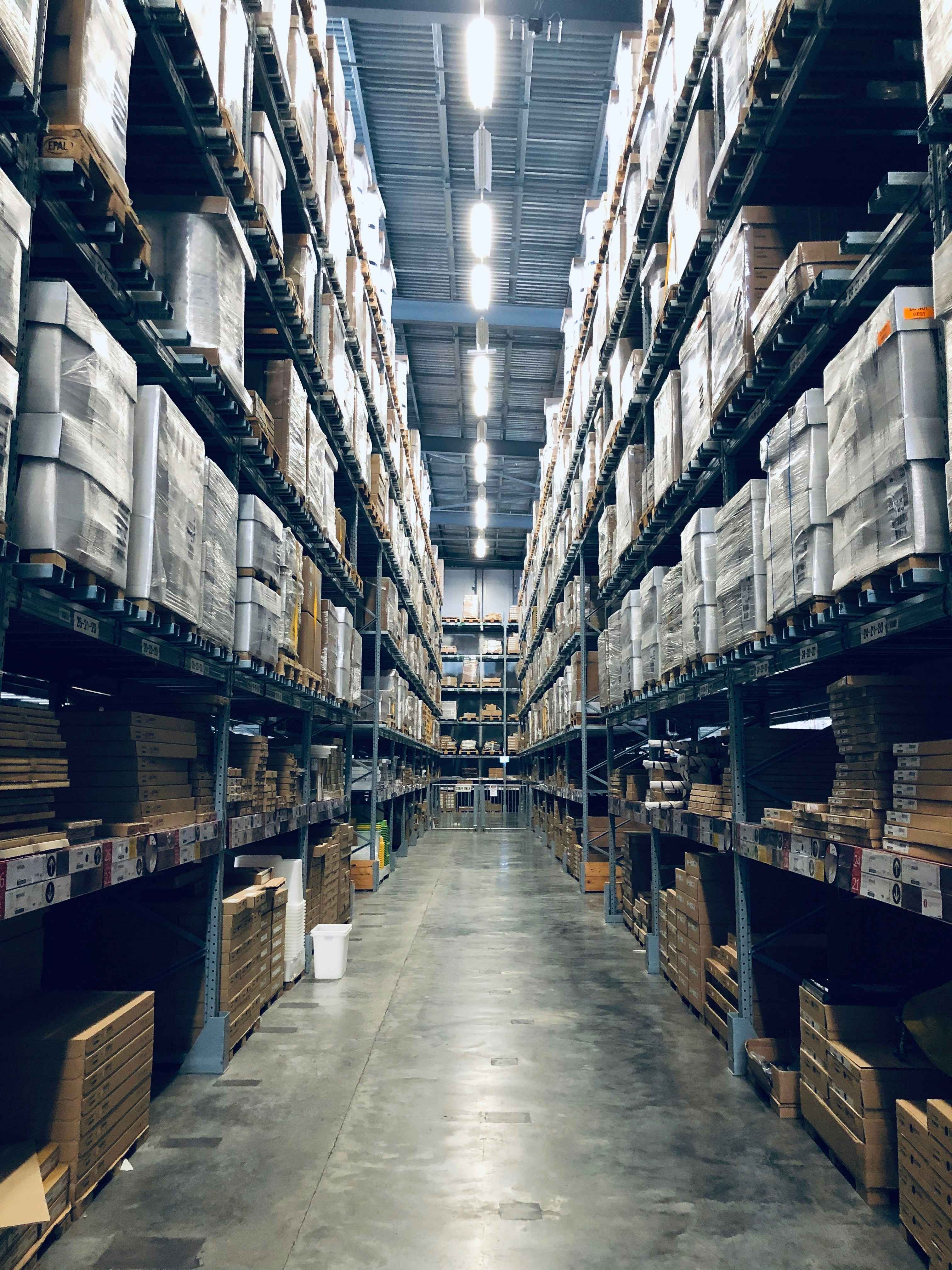
DIY vs Professional Packing for Storage
The idea of packing everything yourself before storage sounds empowering. You wrap your belongings, box them up neatly, label them, and feel in control. This concept largely comes from Western countries where packing services are extremely expensive, so people are almost forced to do it themselves. But India is different. Here, professional packing is not only accessible, it is often the safer, smarter and more cost-efficient way to prepare belongings for storage.
Packing for storage isn’t the same as packing for a move. It requires a different level of care, planning, and protection because your belongings are not just being transported, but they are going to sit untouched for weeks, months, or sometimes even years. This is where many people start considering whether to pack everything themselves or let professionals handle it.
In reality, DIY packing for storage is generally a bad idea because it rarely meets the standards required to keep items protected over long periods.
Self-packing may still work when you’re storing things at home in a spare room or cupboard, but even home packing comes with hidden costs and risks. You spend on materials, you don’t get insurance, moisture creeps in, pests become a threat, ventilation is poor, and damage often goes unnoticed until it’s too late. More importantly, self-style packing cannot be used for professional storage facilities or for insurance eligibility, because it simply doesn’t match the quality or safety benchmarks required. One poorly packed, damp, or pest-infected item can even affect other customers’ goods in a shared storage environment.
Professional packing, on the other hand, changes everything. Not only is it convenient, but it comes with the usage of the right materials, moisture protection, structured techniques, secure sealing, storage-safe packing standards, and insurance-backed security.
The Real Cost Comparison: What Do You Actually Pay For?
At first glance, DIY appears cheaper. You buy your own boxes, bubble wrap, tape, and spend a weekend packing things room by room. But this is only the tip of the iceberg.
DIY costs include:
- Buying materials, which often takes multiple rounds of visits to the store, because most people underestimate how much they’ll need.
- Losing full weekends or evenings packing and repacking.
- Paying for replacements if something breaks.
- Transporting materials back and forth.
- Emotional cost of stress, frustration, and physical exhaustion.
Professional packers, on the other hand, offer all-inclusive solutions, which means:
- High-grade materials are included in the service.
- Packing is done in hours, not days.
- The risk of breakage is dramatically reduced.
- Insurance becomes available.
- You get peace of mind, not just packed boxes.
When you add everything up, that is, the time, risk, materials, and insurance, professional packing often turns out to be more economical in the long run, especially for families with valuable or fragile belongings.
The Hidden Costs of DIY
What most people don’t realize is that most DIY issues don’t show up immediately; they appear during transit or when items come out of storage. This is because one of the biggest problems is using the wrong material. Newspaper ink stains items, thin bubble wrap tears during movement, and ordinary cartons break under weight. What looks fine today may deteriorate silently in storage. And once the damage occurs, there’s no turning back.
Moisture: The Silent Destroyer
An underestimated risk is moisture. Weather can be unforgiving. Humidity creeps into clothes, furniture, electronics, books, everything. When packed without moisture-resistant layers:
- Fabric develops mold
- Wood swells or warps
- Photographs and artwork get ruined
- Electronics deteriorate silently
- Shoes get musty and unusable
Moisture damage becomes more severe when goods are packed without moisture-resistant layers—regardless of whether they are stored at home or in a professional warehouse. Poor ventilation, damp conditions, flooding during monsoons, or pest exposure can quietly destroy belongings over time if packing does not account for these risks.
These issues are often noticed first in home storage environments, but the underlying cause is inadequate packing. The same shortcomings can lead to damage even faster in professional warehouses, where goods are stacked, sealed, and stored for long durations with limited access.
Insurance Eligibility: The Decision-Maker Most People Ignore
Insurance is one of the biggest differences between DIY and professional packing. This one factor changes everything.
If you pack items yourself, damage is not covered by insurance. Insurance companies cannot verify packing quality, so they cannot take responsibility for breakage. If professionals pack your items, insurance becomes valid. That means transit breakage, handling damage, water damage, vibration damage during long distance moves and environmental damage during storage are all insurable.
For anyone moving expensive or sentimental items, insurance alone justifies choosing professional packing.
The Quality Gap Between DIY and Professional Packing Material
Many people assume a box is a box and bubble wrap is bubble wrap but that’s far from true. The difference in material quality is one of the biggest reasons professional packing is more reliable.
Professionals use:
- Export-grade cartons
- Multi-layer bubble wrap
- Foam corner protectors
- Wooden crates for high-value items
- Moisture-resistant wrapping
- Silica gel and desiccants
- Heavy-duty BOPP tape
- Palletized packing for storage
DIY packers, on the other hand, typically use:
- Random grocery store cartons
- Thin bubble wrap
- Newspaper
- Cloth bags
- Weak tape
- Plastic covers that trap moisture
Even if your packing style is careful, weak materials limit how safe your belongings can be.
Why Professional Packing Techniques Matter
Packing isn’t just wrapping things in bubble wrap and closing boxes. It’s a technical skill developed through experience.
Professionals understand how weight distributes, how vibration affects different materials, how humidity behaves in storage, and how delicate items must be cushioned. Some professional methods include:
- Wrapping glass and crockery in 6-side cushioning
- Packing electronics using "original-box simulation"
- Disassembling furniture for safe transit
- Custom crating for artworks and antiques
- Proper structural packing with strong cartons, edge protectors, bubble wrap and foam layering to absorb vibration
- Moisture protection for long-term storage such as desiccants and moisture absorbents
- Using beneficial pest content protocols such as pre-spray and anti-infestation products, moth balls and sandalwood sachets (especially for clothes and fabrics)
- Cautiously packing improper items and avoiding packing illegal items such as inflammables (aerosol cans, perfumes, spirits), chemicals and restricted items
These techniques cannot be replicated with DIY knowledge, YouTube videos, or leftover moving supplies, making professional packing especially suitable for long-term storage.
When Professional Packing Becomes a Non-Negotiable
There are some situations where DIY packing simply isn’t worth the risk. If any of the following apply, professional packing becomes essential:
- You own fragile or high-value items: Electronics, crystalware, sculptures, heirloom furniture, paintings are all items that require expert handling.
- You’re packing for long-term or monsoon storage: Humidity, rodents, floods, and poor ventilation can cause irreversible damage.
- You are storing things in a basic room or garage: Most DIY storage environments are not designed to protect belongings.
- You want insurance coverage: Self-packed items are automatically excluded from coverage.
- You’re short on time: Packing a home takes days. Professionals do it in hours.
- You’re unsure what material to use for what item: Incorrect material choice is the #1 cause of DIY packing damage.
When DIY Packing Actually Works
DIY packing works only when items are either not being stored long-term or are kept in controlled, accessible environments.. It is also an option if you are not intending to store your goods, but only have a short-distance shift from one place to another.
If you have the time and patience, these categories are safe to handle yourself. Just avoid using plastic covers that trap moisture, and store items in ventilated, rodent-free areas.
Why DIY Packing Fails During Storage
Even well-packed items can get damaged if storage conditions are neglected. The most common DIY storage errors include:
- Storing in damp or non-ventilated rooms
- Leaving boxes on the floor in a garage (risk of flooding)
- Using cardboard that absorbs moisture
- Not sealing boxes tightly
- Exposure to pests
- Packing without moisture absorbers
Professional packing for storage is designed to counter these threats. For long-term storage, this difference becomes critical.
Pro Tip: Keep an Emergency Contact
If you are traveling or unavailable for some reason, always leave an emergency contact with the storage provider. This ensures someone can be reached quickly if there ever is an incident or concern at the warehouse.
The Final Word: What’s Truly Worth the Cost?
Choosing between DIY vs professional packing is more than a budget question. Consider safety, stress, risk, insurance, time, and long-term peace of mind.
DIY works for simple items and when your move is small or relaxed. But for anything valuable, fragile, sentimental, moisture-sensitive, or stored long-term, professional packing becomes the smarter and safer choice.
And when handled by experienced relocation experts like Globe Moving, the process is not only faster and safer but far more reliable. In a move, you’re not just transporting objects. You’re transporting memories, family history, and pieces of your life.
And that deserves the highest level of care.
Photo by [Ruchindra Gunasekara] on [Unsplash]
Related links
Best Storage Companies in Gurugram
Why choose Globe Moving for household goods storage?
5 Things to Check Before Choosing a Storage Facility for Your Goods