 FOR ENTERPRISESWorkforce MobilityRelocation support for employees and their families, managed end to end.FIDI-FAIM PLUS · 55+ YEARS · 180+ COUNTRIESFOR FAMILIES AND INDIVIDUALSLocal MovingSame-city home moves, surveyed and packed by one crew.FIDI-FAIM PLUS · 55+ YEARS · 180+ COUNTRIESFOR GLOBAL PARTNERSOrigin ServicesPacking, export documentation and dispatch from India.FIDI-FAIM PLUS · 55+ YEARS · 180+ COUNTRIESRESOURCESBlogs & GuidesPractical advice for planning a move.FIDI-FAIM PLUS · 55+ YEARS · 180+ COUNTRIESABOUT GLOBE MOVINGAbout Globe MovingWho we are and how we work.FIDI-FAIM PLUS · 55+ YEARS · 180+ COUNTRIES
 GUIDES AND TOOLSEverything you need to plan a move.WHO WE AREOne partner. Every move.
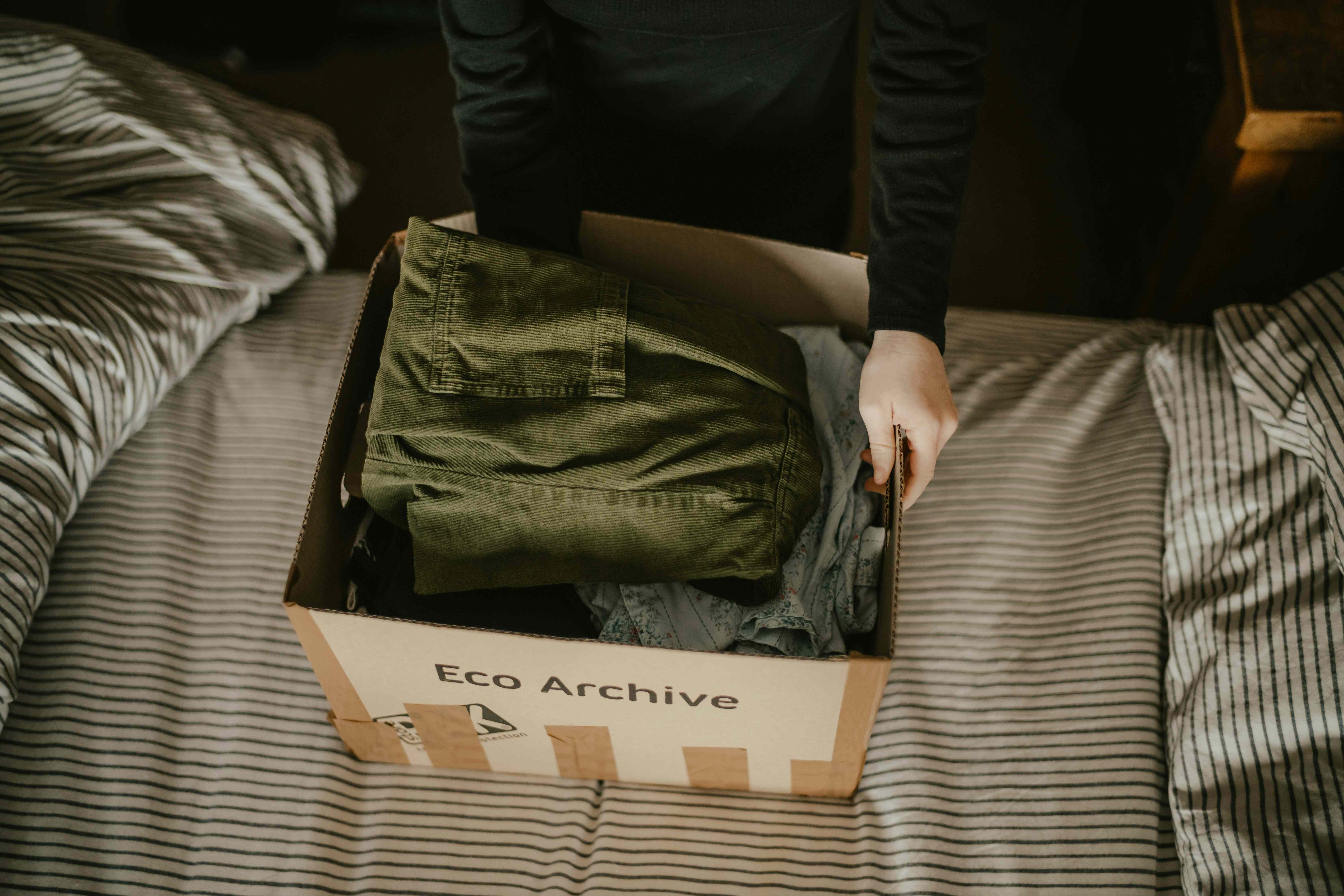
How to Pack General Clothes & Linen
Executive Summary
Packing clothes and linen for relocation is a preparation process focused on organizing and protecting fabric-based household items during transport. Clothing, bedding, and textiles can be affected by moisture exposure, compression, contamination, and improper storage conditions while moving. The information is most relevant for households, individuals, and relocation professionals responsible for transporting personal garments and household linens.
Why Soft Household Textiles Still Face Damage Risks During Moving and Storage
Moving day is approaching, and amidst the chaos of scheduling movers and transferring utilities, one task looms larger than the rest: packing your wardrobe and linens. For busy professionals navigating city life, time is a currency you can’t afford to waste. Yet, throwing everything into garbage bags at the last minute isn't just stressful—it risks damaging the high-quality garments and linens you’ve invested in.
Proper packing isn't just about getting items from Point A to Point B; it’s about ensuring they arrive in the same condition they left. Whether you are moving across town to a new apartment or putting items into long-term storage while you travel abroad, a systematic approach saves you frustration later.
This guide provides a straightforward, professional method for packing your general clothes and linens. We will walk you through the essential steps to protect your fabrics from moisture, pests, and wrinkles, ensuring your belongings are ready for use the moment you unpack.
Why Proper Packing Matters
Before we dive into the "how," let’s briefly address the "why." You might be tempted to rush this process, but taking a few extra moments now pays dividends later.
- Protection against elements: Moisture and humidity can wreak havoc on fabrics, especially during long-term storage or sea voyages.
- Pest prevention: Moths and other insects are attracted to natural fibers. Proper packing is your first line of defense.
- Organization efficiency: Knowing exactly what is in each box streamlines the unpacking process, letting you get back to your routine faster.
Step-by-Step Packing Guide
Follow these steps to ensure your clothes and linens are packed securely and professionally.
1. Choose the Right Container
The Step: Clothes and linen should be packed in large cartons.
Avoid small, cramped boxes that force you to crush your items. Large cartons allow you to pack volume without compression damage. When you use appropriately sized boxes, you reduce the number of trips required to move them and make stacking easier for your movers.
2. Line for Protection
The Step: Polythene should be used for lining the carton.
Cardboard is porous. It can absorb moisture from the air or the ground, which can then transfer to your clothes. By lining the inside of your carton with a polythene sheet (or a large, heavy-duty plastic bag), you create a waterproof barrier. This is critical if your boxes will be sitting in a storage unit or a moving truck for an extended period.
3. Fold and Place Neatly
The Step: Clothes/Linen should be folded and neatly placed inside the carton.
Resist the urge to bundle or stuff items. Take the time to fold shirts, trousers, towels, and sheets neatly.
- For linens: Fold them flat to maximize space.
- For clothes: Button shirts and zip trousers before folding to help them hold their shape.
Placing them neatly minimizes deep wrinkles, meaning less ironing when you arrive at your destination.
4. Moisture Control (Crucial for Storage)
The Step: Silica gel should be used to prevent moisture.
This step is non-negotiable for long voyages or storage. Trapped air inside a sealed box can condense as temperatures fluctuate. Silica gel packets absorb this excess moisture, preventing mold and mildew growth that can ruin fabrics permanently. Scatter a few packets throughout the layers of clothes in each box.
5. Pest Deterrence
The Step: Place mothballs to keep contents free from insects.
If your items are going into storage or shipping for a long duration, you must protect against pests. Silverfish and moths love dark, undisturbed places full of fabric. Placing mothballs or cedar blocks in the carton ensures that when you open the box months later, you won't find holes in your favorite wool sweater.
6. Keep it Fresh
The Step: Perfume or sandalwood sachets can be provided to keep your goods smelling fresh.
Clothes that stay packed for weeks or months often develop a stale, "boxed-up" smell. To combat this, layer in sandalwood sachets, lavender bags, or perfume cards. This simple touch makes unpacking a much more pleasant experience, as your linens will smell fresh and ready to use immediately.
7. Label Clearly for Identification
The Step: Mark owner name, package number, contents, room, and destination on the package.
A box without a label is a mystery you don't have time to solve. Use a thick marker to clearly write:
- Owner Name: Helpful if combining moves or storing in a shared facility.
- Package Number: Helps you track if a box goes missing (e.g., "Box 1 of 10").
- Contents: Be specific (e.g., "Winter Coats" vs. just "Clothes").
- Room/Destination: Tells the movers exactly where to put it (e.g., "Master Bedroom").
Conclusion
Packing doesn't have to be a frantic chore. By treating your clothes and linens with care and following a structured process, you protect your investment and buy yourself peace of mind.
Take the time to gather the right materials—large cartons, polythene liners, and protective sachets—before you start. A calm, organized packing phase leads to a smooth, stress-free move. When you arrive at your new city apartment, you’ll be grateful you took the extra steps to ensure your life can resume without a wrinkle.
Photo by [Annie Spratt] on [Unsplash]
Related Links
How to Pack a Washing Machine / Dryer
How to Pack Crockery, Curios, and Other Small Delicate Articles
How to Pack an Air Conditioner