 FOR ENTERPRISESWorkforce MobilityRelocation support for employees and their families, managed end to end.FIDI-FAIM PLUS · 55+ YEARS · 180+ COUNTRIESFOR FAMILIES AND INDIVIDUALSLocal MovingSame-city home moves, surveyed and packed by one crew.FIDI-FAIM PLUS · 55+ YEARS · 180+ COUNTRIESFOR GLOBAL PARTNERSOrigin ServicesPacking, export documentation and dispatch from India.FIDI-FAIM PLUS · 55+ YEARS · 180+ COUNTRIESRESOURCESBlogs & GuidesPractical advice for planning a move.FIDI-FAIM PLUS · 55+ YEARS · 180+ COUNTRIESABOUT GLOBE MOVINGAbout Globe MovingWho we are and how we work.FIDI-FAIM PLUS · 55+ YEARS · 180+ COUNTRIES
 GUIDES AND TOOLSEverything you need to plan a move.WHO WE AREOne partner. Every move.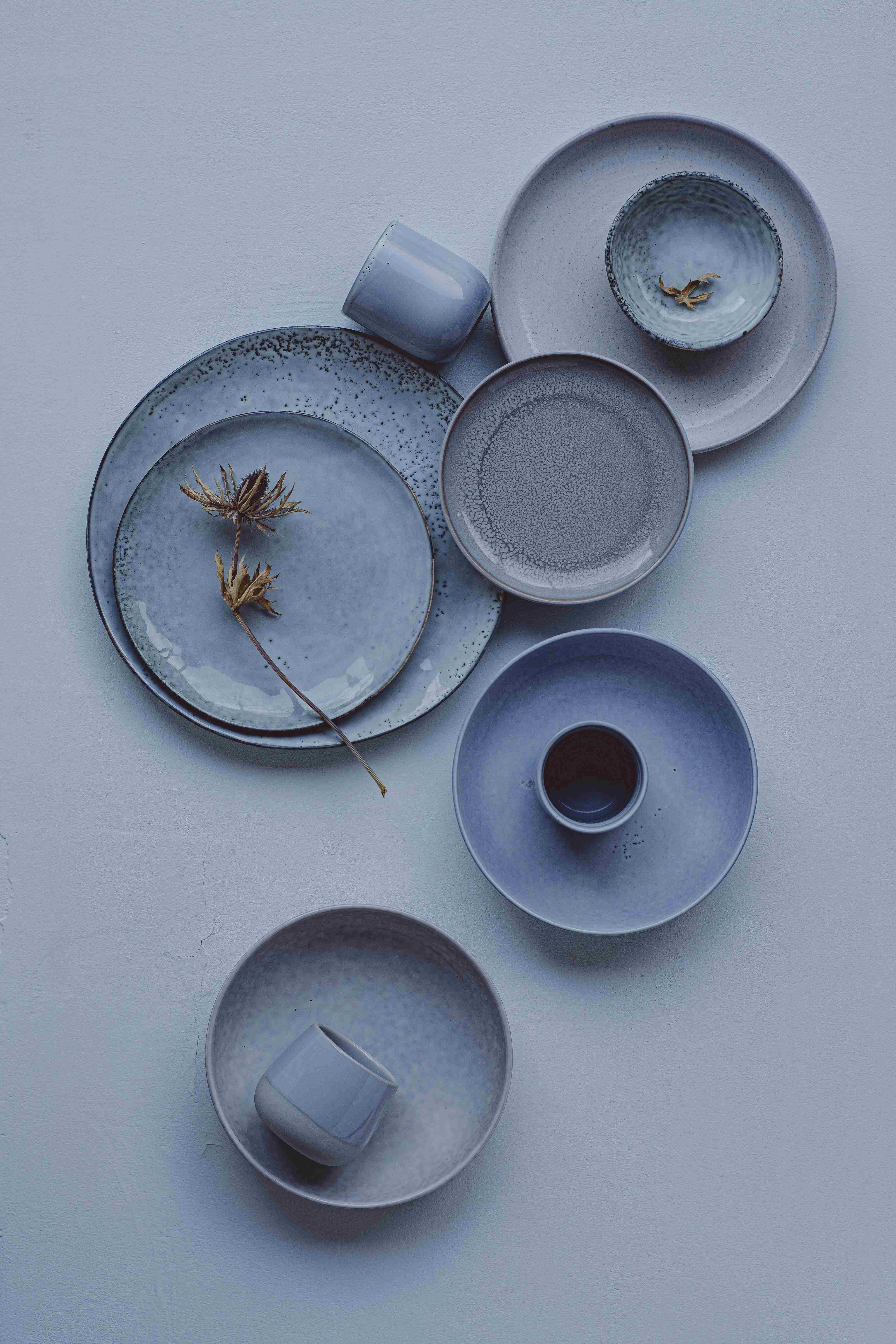
How to Pack Crockery, Curios, and Other Small Delicate Articles
Executive Summary
Packing crockery and fragile household items for relocation is a protective preparation process intended to prevent breakage during handling and transportation. These objects, including plates, glassware, and decorative items, are vulnerable to impact, pressure, and movement inside packed boxes. The information is most relevant for households, individuals, and moving professionals responsible for transporting delicate kitchenware and breakable belongings.
Why Everyday Kitchen Items Are Among the Most Frequently Damaged Belongings During Moves
Moving a kitchen or dining room is often the most time-consuming part of any relocation. For busy professionals in the city, the sheer volume of small, fragile items can be overwhelming. From your morning coffee mug to the heirloom curios on your mantle, these pieces hold both monetary and sentimental value. Unlike books or clothes, they don't forgive mistakes. One drop, one bump, or one heavy box placed on top, and they are gone forever.
Proper packing is your insurance policy against breakage. It transforms a box of loose, rattling glass into a secure, shock-absorbent vault. While it takes patience, the method is straightforward.
This guide provides a professional, step-by-step approach to packing your crockery, curios, and delicate articles. By following these rules, you can ensure your favorite pieces arrive at your new apartment intact, ready for your first dinner party.
The Foundation: Preparation and Materials
Before you begin, set up a dedicated packing station. You need a flat, clear table and your supplies within arm's reach. Don't try to pack these items on the floor or in a rush; that is when accidents happen.
The Essentials:
- Bubble wrap: For items that need higher-level protection.
- Corrugated rolls/sheets: For separating heavy items and lining boxes.
- Strong, medium-sized cartons: Avoid large boxes for heavy glass; they become too heavy to carry safely.
- Tape and Markers.
Step-by-Step Packing Guide
Follow these steps to create a safe environment for your breakables.
1. The First Layer of Defense
The Step: Wrap all small crockery and other small articles with bubble wrap
Start with the basics. Every individual item—whether it's a teaspoon, a saucer, or a small figurine—needs its own bubble wrap. Roll it up, tucking the ends in as you go. For items with lids (like sugar bowls or teapots), wrap the lid and the base separately, then wrap them together so they don't grind against each other.
2. Identify the Ultra-Fragile
The Step: Use bubble wrap in case the item is very delicate.
Bubblewrap is excellent for standard items, but for your crystal wine glasses, porcelain figurines, or particularly delicate curios, you need air cushioning. Wrap these items in bubble wrap after the initial paper layer. Secure the bubble wrap with a small piece of tape so it doesn't unravel.
3. Handle Large Items with Care
The Step: Use corrugated rolls in case the item is large for additional protection.
Larger vases, serving bowls, or heavy curios need a rigid shell. After wrapping them in paper (and bubble wrap if necessary), wrap them in a layer of corrugated cardboard roll. This prevents them from being crushed by other items in the box.
4. Packing Plates Correctly
The Step: Plates must be individually packed with bubble wrap If plates are large or heavy, a set of 5 to 10 plates should be packed with corrugated rolls.
Plates are heavier than they look. Wrap each plate individually in paper. Do not stack unwrapped plates directly on top of each other; the friction can cause scratches or cracks. Once wrapped, bundle small stacks of 4-6 plates together. If the plates are large or heavy stoneware, wrap the entire bundle in a corrugated roll to create a solid, immovable brick.
5. Prepare the Carton
The Step: The bottom & top of the cartons should be taped and properly padded with paper & corrugated rolls or sheets.
Never put glass directly against the cardboard bottom of a box. Create a "crush zone" by cushioning it with bubble wrap or placing a layer of corrugated sheet at the bottom of the empty carton. This absorbs the shock when the box is set down (or dropped) by movers. You will repeat this step at the very top before sealing the box.
6. Vertical vs. Horizontal: The Golden Rule
The Step: Plates and Long items like Stem glass / bottles should be kept vertically in the cartons to avoid breakage in transit.
This is the most common mistake people make. Never lay plates flat. When flat, the bottom plate bears the weight of everything above it and will crack on impact. Always pack plates standing up on their edges, like records in a crate. Similarly, stemware and bottles are strongest vertically. Pack them standing up, never lying on their sides.
7. Eliminate the Shake
The Step: Proper padding with paper should be given between the items and to prevent shaking of the items inside the carton.
Once your items are inside the box—wrapped and placed in strong medium-sized cartons—fill every single gap. Use crumpled paper to fill corners and spaces between items. The goal is immobilization. When you gently shake the box, you should hear and feel absolutely nothing moving. If it rattles, add more paper.
8. Communicate the Contents
The Step: Mark package with fragile/glass/handle with care stickers.
Be loud with your labeling. Plaster the box with "Fragile" and "Glass" stickers. Draw arrows indicating which side is up. This tells the movers not to flip the box or stack heavy furniture on top of it.
9. Detailed Identification
The Step: Mark owner name, package number, contents, room & destination on the package for identifications.
In the chaos of unpacking, you don't want to be guessing which box holds the coffee mugs and which holds the fine china. clearly write:
- Contents: (e.g., "Daily Dinner Plates" vs. "Grandma's China")
- Destination: (e.g., "Kitchen")
- Package Number: (e.g., "Box 2 of 5")
Final Recommendation: Crating
The Step: Crating is advisable.
For exceptionally valuable antiques, large sculptures, or irreplaceable curios, cardboard boxes may not be enough. Custom wooden crating provides a rigid, structural defense that isolates the item from external pressure. If the item is high-value, crating is a wise investment.
Conclusion
Packing delicate items is less about strength and more about technique. By respecting the fragility of your crockery and curios—wrapping them individually, packing them vertically, and padding the box thoroughly—you eliminate the most common risks of moving.
Take your time with these boxes. It is better to use a few extra sheets of paper and an extra hour of packing time than to open a box of shards in your new home.
Photo by [360floralflaves] on [Unsplash]
Related Links
How to Pack Cupboards, Chest of Drawers, and Similar Furniture
How to Pack a Refrigerator
How to Pack Your Music System and Home Theatre